I swapped my $50 Apple Watch band for a $15 dupe and I hate to say it, but now I get why Apple charges more

Since getting an Apple Watch, I don’t know how I’ve managed everyday life without one – it’s one of the best devices I own.

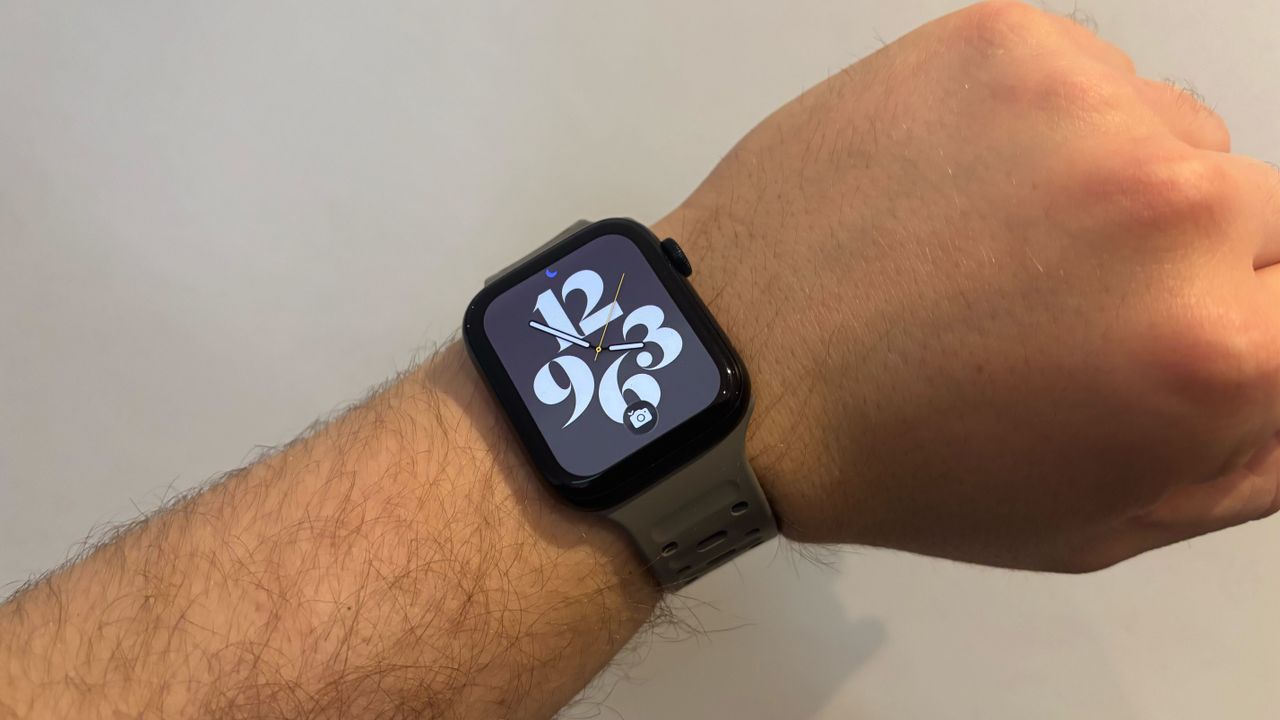
I have the Apple Watch SE 2, and as well as bringing everything I love about my iPhone to my wrist, I love how creative you can get with the endless selection of watch faces and multitude of wristband options, but Apple’s own can be quite pricey. That’s why I swapped out my standard silicone Apple Watch band for a $25 dupe from the brand WITHit.

For the past month, I’ve abandoned my Apple Watch band for WITHit’s Keeperless sports band to see how a knock-off compares, and I was pleasantly surprised with it. However, in between its many positives, my experience was met with a few setbacks that, on reflection, made me see that there’s a clear reason why Apple’s own watch bands have a higher price point.

Pros
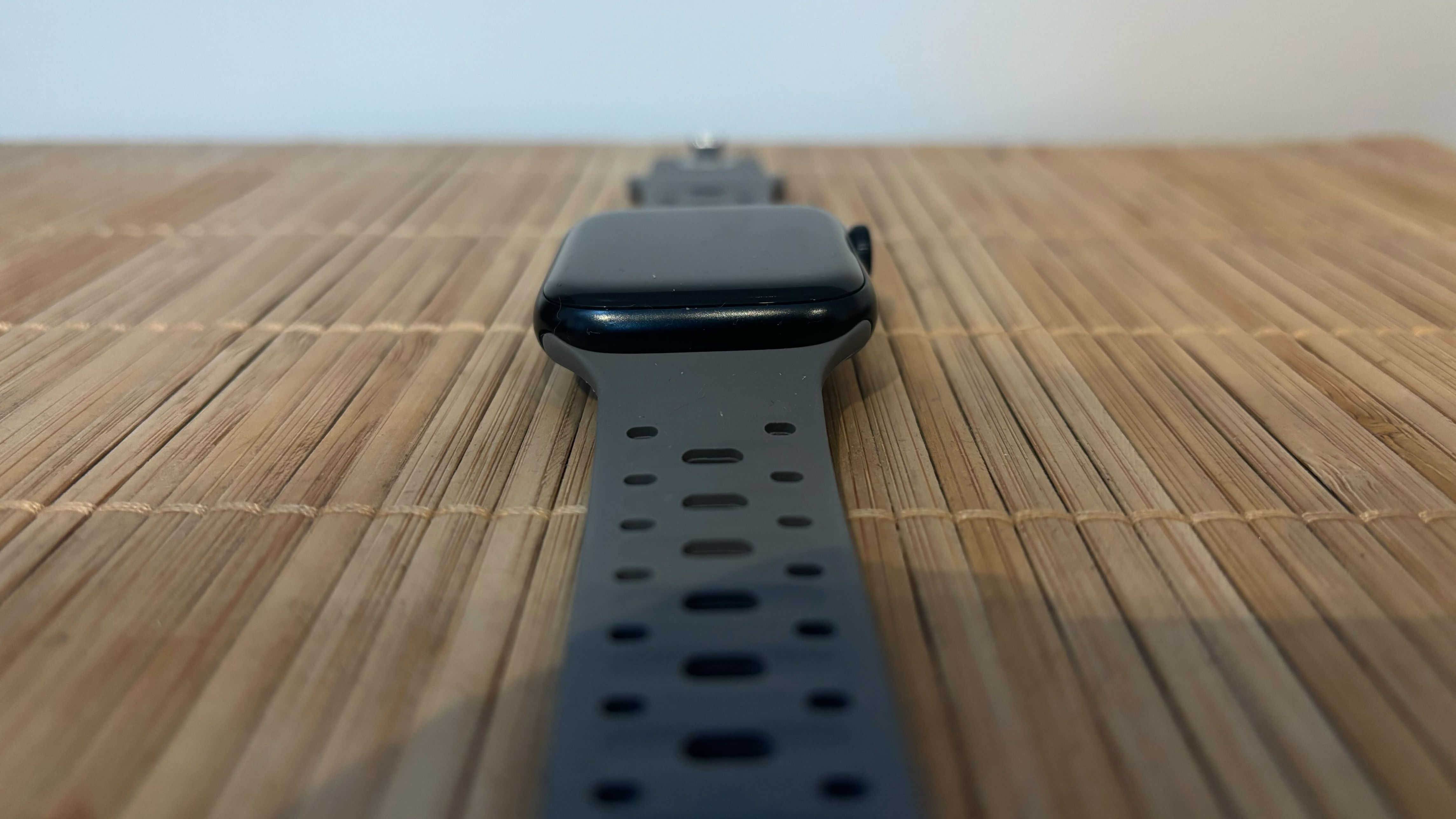
I guess the biggest positive to pinpoint here is that WITHit’s silicone watch bands are much cheaper than Apple’s. Although WITHit has its own range of higher-priced Apple Watch bands, its range of silicone and nylon bands is almost half the price of Apple’s own range, starting from as little as $15. I opted for the gray Keeperless sport band, a reasonable $25 option.

Style-wise, the Keeperless band adopts a typical sports band design that’s not too dissimilar to the ones in Apple’s own range. It’s simple and not too flashy. But despite its reasonable price tag, it doesn’t sacrifice comfort, which is a relief, especially since I use my Apple Watch during mixed-intensity workouts.
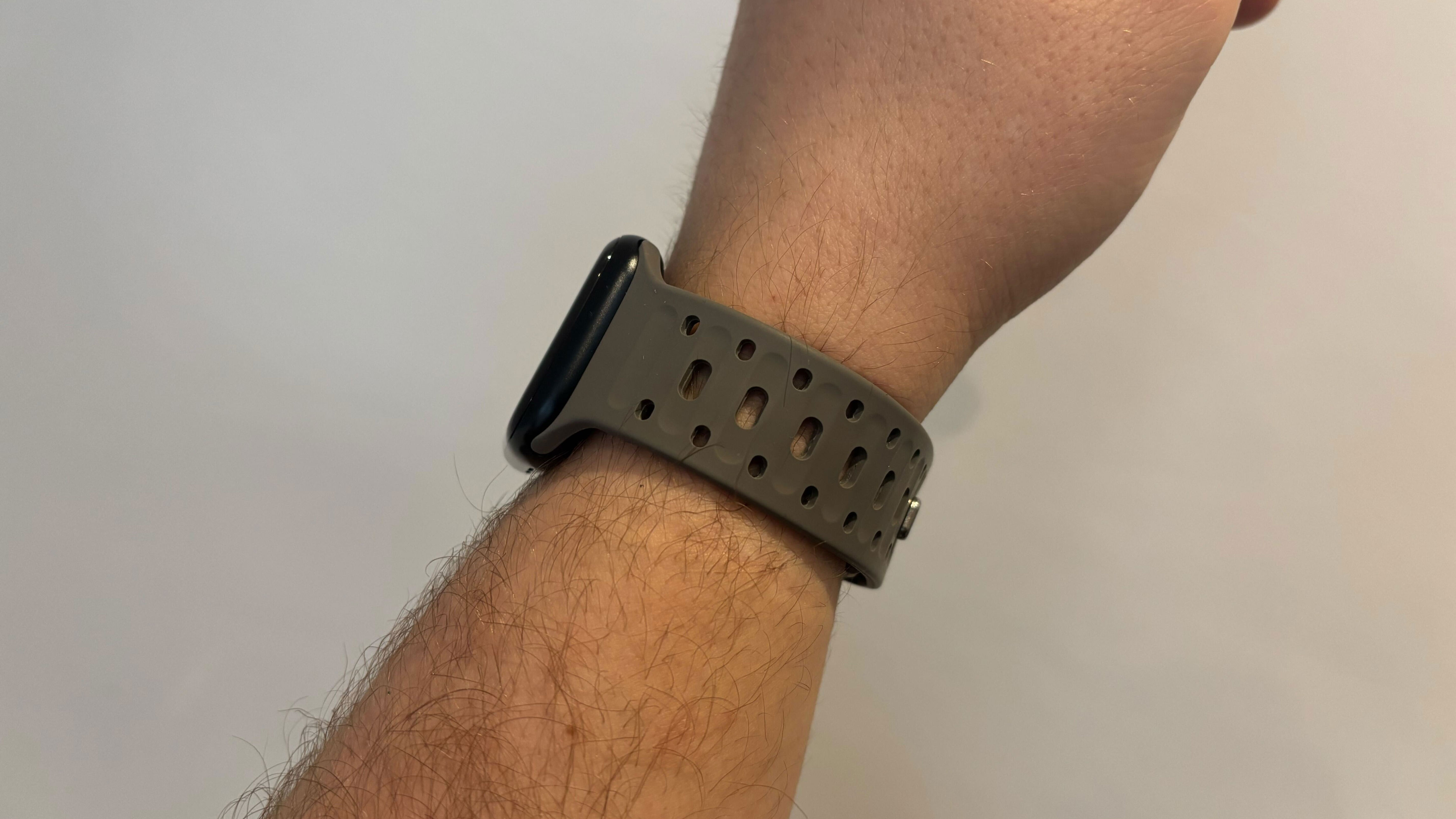
I spent some time wearing the watch through different activities, and it’s satisfactory to say the least. I was a little worried that the band wouldn’t be able to endure my activity range like my previous Apple Watch strap, but during my weight-lifting sessions, running, and HIIT workouts, my watch didn’t budge or come loose. Now that I know this, I’ve pushed myself to go even harder with my workouts, so you could say it’s boosted my knack for the gym.

Overall, WITHit’s sports band ticks most of the boxes, which didn’t leave me disappointed. However, a few minor setbacks made it clear why it doesn’t quite match the quality of Apple’s own bands.

Cons
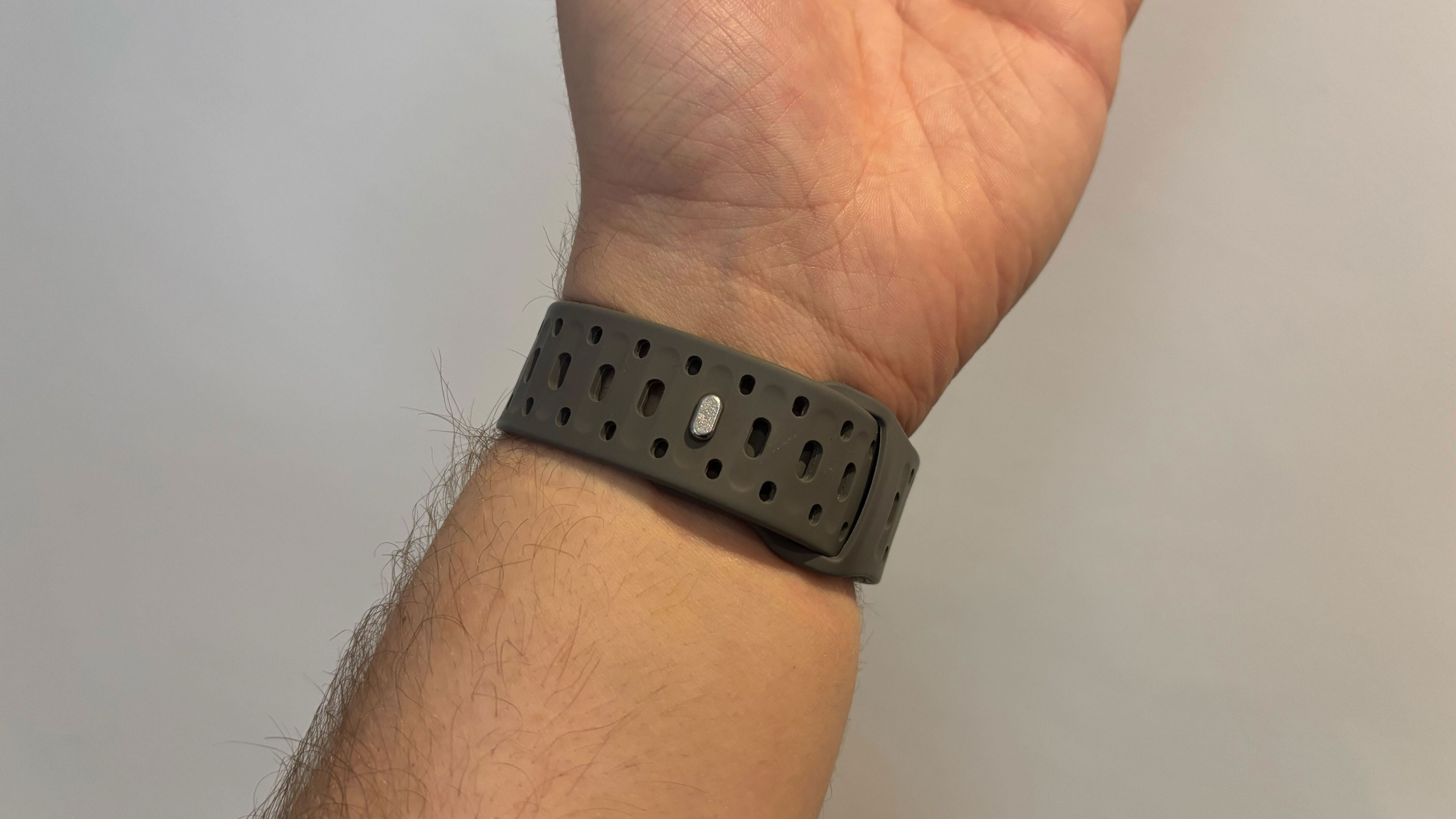
Don’t get me wrong, it’s a comfy wristband to wear, but sometimes it can feel quite tight (I definitely wouldn’t wear it during sleep). This is more noticeable when I am stationary and not moving around.

Another thing I couldn’t get past was how difficult it was to put on. Unlike legit Apple Watch bands, this one is a lot more flimsy and requires a lot more work to get it on. From my own experience with both kinds, regular Apple Watch bands are a lot more robust and smoother, meaning that they can slide through the fastener with ease. As for the WITHit band, the rubber doesn’t glide against my skin as much, and I have to force it through the hole to tuck away the excess band.

I’ve praised WITHit’s silicone band for its sporty design, and I stand by it, but with that comes a catch. Whenever I removed the band to charge my Apple Watch, I was more often than not left with several crease marks in my skin, which could be quite itchy at times when I wasn’t wearing the watch. It’s not a good look on anyone.
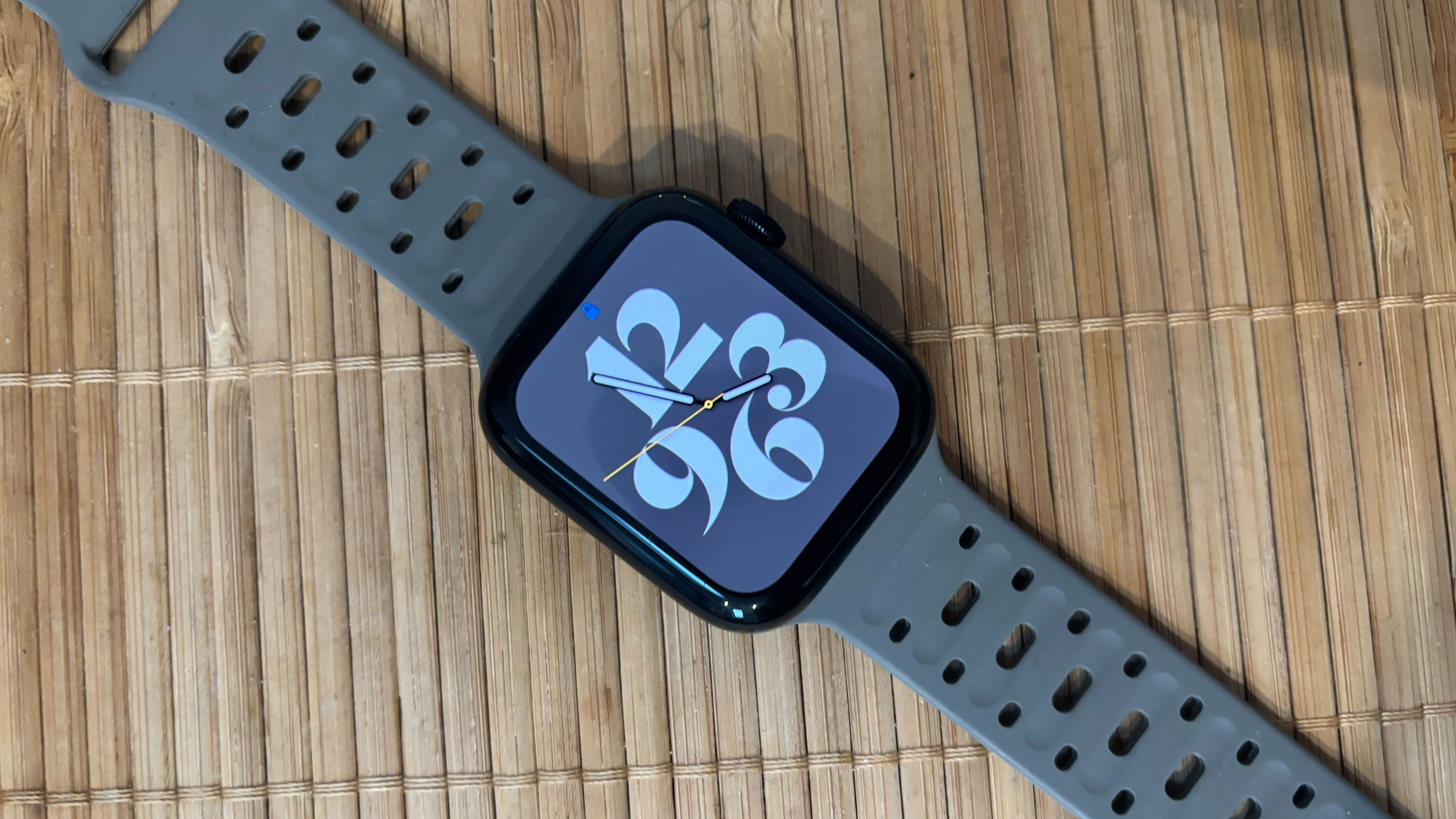
With all things considered, there hasn’t been a moment during my time using my wristband dupe where I’ve felt compelled to go back to my original Apple Watch band. It’s provided a decent enough experience for me to keep it on, but while its setbacks are microscopic, they do make all the difference.

Prior to my experiment, I used to scoff at the prices Apple was asking for its watch bands, but now I can see why.

Follow Sohh.comon Google News and add us as a preferred source to get our expert news, reviews, and opinion in your feeds. Make sure to click the Follow button!

And of course you can also follow Sohh.comon TikTok for news, reviews, unboxings in video form, and get regular updates from us on WhatsApp too.

Like this article? For more stories like this, follow us on MSN by clicking the +Follow button at the top of this page.
Dating apps are out, events are in

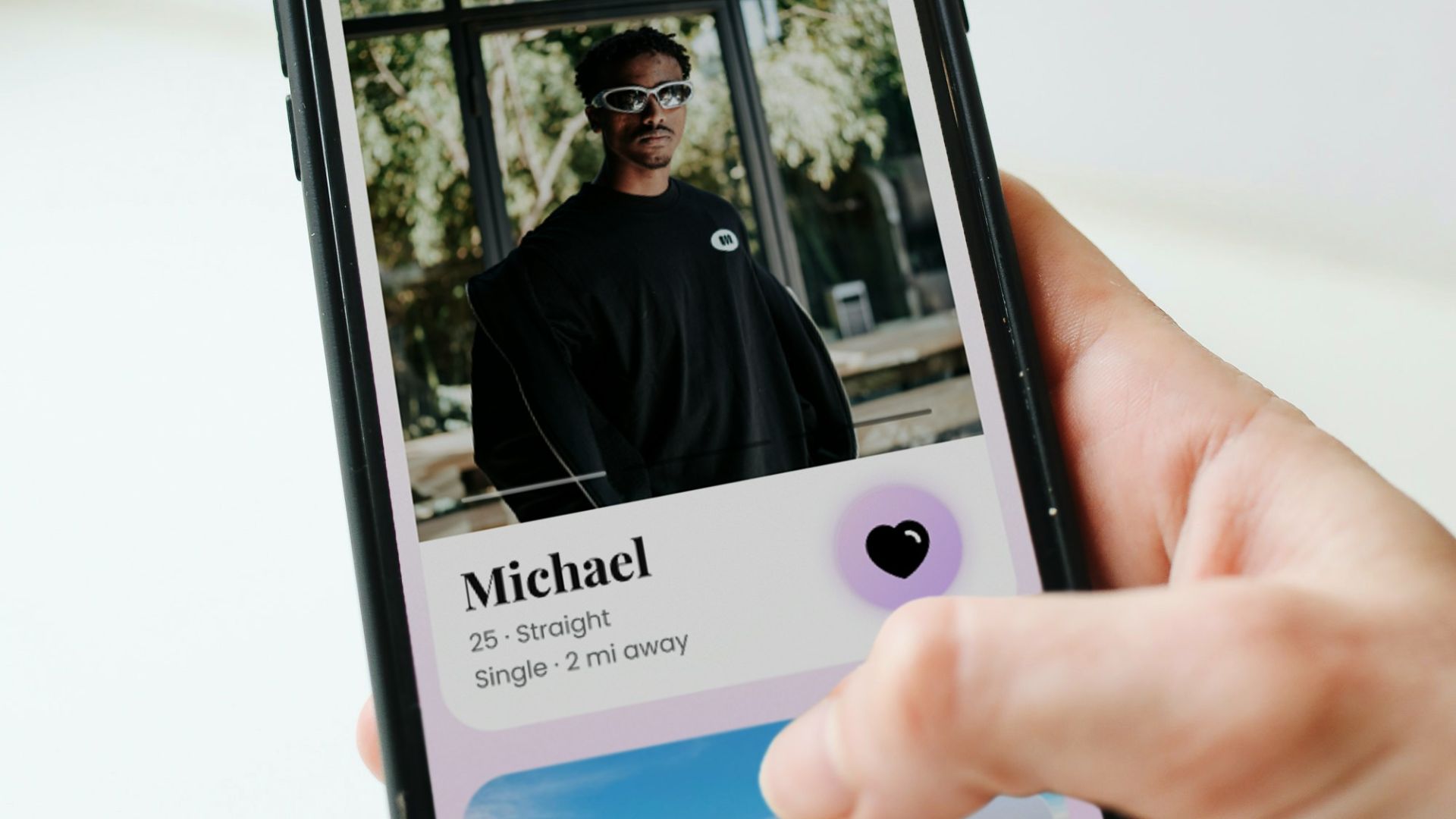
Swipe right. Swipe left. Match. Ghost. Repeat. At some point, the whole ritual started feeling less like dating and more like a second job with terrible HR. For about a decade, apps like Tinder, Hinge, and Bumble reshaped how we think about meeting people, and for a while, that felt exciting. Now the numbers are telling a different story, and so are the millions of singles quietly deleting their profiles and showing up somewhere unexpected: real life.

The collapse of app-based dating is no longer a theory or a TikTok hot take. It’s in the earnings reports. Match Group, which owns both Tinder and Hinge, saw its paying subscribers fall to 14.2 million in Q1 2025, a 5% drop year over year and the fifth consecutive quarter of decline. Tinder alone shed 9% of its monthly active users in the same period. Meanwhile, a 2024 Ofcom report found that the UK’s top three dating apps lost a combined 1.09 million users between May 2023 and May 2024. Something structural has shifted, and the swipe-happy era of romance is running out of runway.

The Burnout Is Real, and the Data Backs It Up

Ask anyone who has spent serious time on a dating app what the experience feels like, and the word that comes up most often is exhausting. A Forbes Health survey of 1,000 Americans found that more than three-quarters of Gen Z respondents reported burnout from dating apps, and that wasn’t just a Gen Z problem. Millennials clocked in at around 80%. The reasons were consistent across both groups: 40% said they couldn’t find a meaningful connection, 27% cited rejection, and 24% pointed to repetitive conversations that never went anywhere.

What makes this burnout particularly telling is that it’s not just a feelings problem, it’s a behavior problem. According to mobile analytics firm AppsFlyer, 65% of dating apps downloaded in 2024 were deleted within a month. By 2025, that figure climbed to 69%. Users aren’t just complaining, they’re leaving. An Axios survey conducted with Generation Lab found that 79% of college students and young Gen Z adults were not using any dating apps at all, a remarkable statistic for a generation that grew up with smartphones in their hands.

The apps themselves have started to acknowledge the problem, and their proposed solutions reveal a lot. Hinge launched a $1 million initiative in March 2025 to fund Gen Z-focused social events in London, New York, and Los Angeles. Bumble introduced Bumble IRL back in 2022, hosting fitness classes, community outings, and other in-person gatherings. Tinder began sponsoring live singles events in Miami, Austin, and Nashville. When dating companies start paying to get their users off their own apps, it’s a sign that the apps have stopped working as advertised.

The Shift Toward In-Person Events Is Already Underway

The vacuum left by app fatigue hasn’t just pushed people toward more solitary swiping, it’s pushed them out the door. Eventbrite reported over 1.5 million searches for dating and singles events on its platform in the twelve months from May 2023 to April 2024. Attendance at dating and singles events targeted at millennials and Gen Z increased by 49% in 2024 compared to the year before, according to Bloomberg. Speed dating, once dismissed as a punchline, is now described by event organizers as a “bucket list” experience for a generation that has grown weary of endlessly curating a profile bio.

The events cropping up aren’t your parent’s singles mixer. Organizations like We Met IRL in New York City host themed events for singles aged 25 to 35, and their tickets, priced at $25, sell out in seconds. The Venice Run Club in Los Angeles became a legitimate place to meet people, with new members publicly announcing their single status as part of their introduction. Groups like Hot and Social and Pitch-A-Friend have found enthusiastic audiences by building structured, low-pressure environments where people can connect around something they’re actually interested in. The format has a built-in advantage: you already know you have something in common with the person across from you.

This shift aligns with what researchers have been finding about how younger people actually want to meet. The slow-burn, in-person model is not just nostalgic, it’s genuinely producing more durable connections than algorithmic matching. Forty-five percent of Gen Z respondents in Eventbrite’s “Niche to Meet You” report cited finding someone with shared interests as one of their biggest dating obstacles, and in-person, interest-based events solve exactly that problem.

Why Chemistry Can’t Be Compressed Into a Profile

There’s a version of the dating app pitch that still makes logical sense on paper: see a photo, read a bio, filter by age and location, match with someone compatible. The problem is that human attraction is stubbornly analog. A photo can’t tell you how someone laughs, whether their energy settles you down or lights you up, or whether the silence between two people is comfortable or awkward. A few photos and a snappy bio can’t tell you whether someone has good chemistry with you, how their energy feels in a room, or even something as basic as if they make eye contact.

Dating apps were built around the logic that more options produce better outcomes, but the evidence increasingly suggests the opposite. The paradox of choice is real, and presenting users with an endless scroll of potential partners can actually depress their ability to commit to any one of them. Tinder introduced AI-powered discovery tools as part of its attempt to reverse its user decline, and Match Group invested heavily in algorithmic improvements. These efforts have not stopped the bleeding. The interface itself, a rapid binary judgment rendered on a stranger’s face, may be the fundamental design flaw that no feature update can fix.

What’s replacing it feels almost counterintuitively simple: shared activities, structured but low-stakes environments, and the chance to observe a person in motion rather than static. The apps built their entire model on convenience, but it turns out that the friction of showing up somewhere, of being a little nervous, of making eye contact in a room full of strangers, is part of what makes meeting someone feel like it actually means something. The calendar invite has become the new right swipe, and for a lot of singles, it’s already working better.

Sharing is caring: Pixel 9’s Quick Share update with AirDrop is here

What you need to know

  • Google announced that Pixel 9 series users can expect to receive their Quick Share, AirDrop compatibility update “over the coming weeks.”
  • This will be a “phased” rollout, meaning not everyone will see this update at the same time; however, users can expect to share content with iPhones, iPads, and macOS.
  • Google first announced its Quick Share, AirDrop team-up last November, signaling another key shift in bridging the gap between Android and iOS devices.

The time that Pixel 9 users have been waiting for is finally here, as Google delivers confirmation that Apple’s AirDrop is expanding.

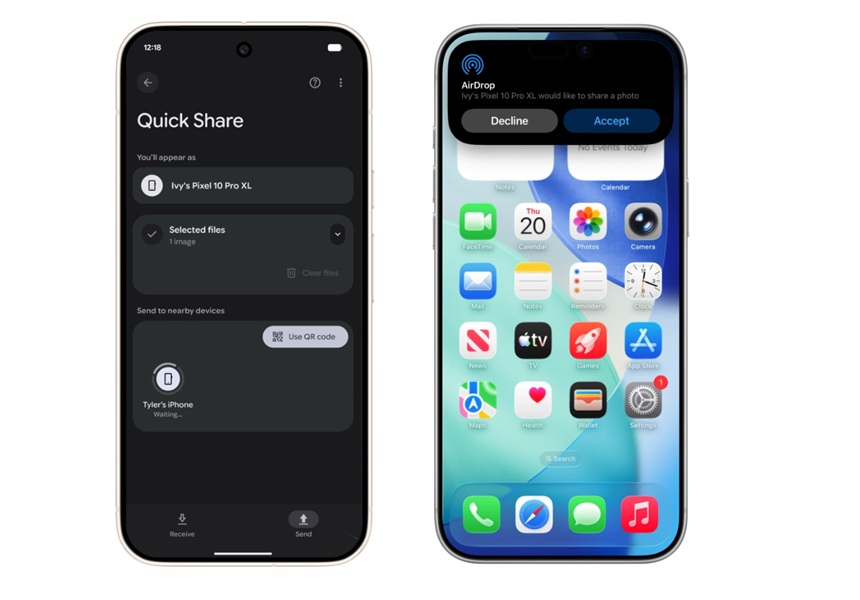
Google announced via its Pixel Community forum that it is starting to roll out its Quick Share compatibility with AirDrop update to its 2024 Pixel line. The post confirms that this update is arriving for the Pixel 9, 9 Pro, 9 Pro XL, and the 9 Pro Fold. Unfortunately, Google’s disclaimer says that users with a Pixel 9a will sadly miss out on this compatibility update.

What you can expect is for this update to start arriving for users “over the coming week in phases.” To be specific, not everyone’s going to see this update at once—just keep your eyes open for the update to arrive.

Google says this update will make it so that Pixel 9 series users can easily share their files with an iPhone, iPad, or a macOS device. This makes it “easy” for you and your friends with Apple products to still share content over Bluetooth. Google makes one thing clear: “Privacy and speed remain a priority.” The company states that it has implemented “multi-layered” protections to help safeguard what you’re sharing.

It’s like RCS, but for sharing

Late last November, Google announced that Quick Share was teaming up with AirDrop. This compatibility was reported first for the Pixel 10 series, making it easy for those users to swap content between iPhones and more iOS devices. Google stated that users needed to enable acceptance from “Everyone for 10 minutes” before they could begin sharing.

“Strong safeguards” and working with “independent security experts” were mentioned on the security side. Google also confirmed that it would look to expand this functionality to more Android phones, though a timeline wasn’t given.

Earlier this month, Google had more to say about this. It confirmed that Quick Share and AirDrop’s compatibility would arrive on more devices, such as those from Samsung and Nothing. Although there was an Android Canary build that spoiled the company’s work to expand this to the Pixel 9.

Android Central’s Take

This reminds me of the whole RCS thing Google had with Apple. Even Samsung got involved, throwing jabs at Apple for its lack of RCS with Android. While, for RCS, that was purely security-based, and about facilitating a better messaging experience between both sides, this Quick Share, AirDrop thing is more about usability. It’s about bridging that gap between devices. A statement that, just because they run different software, at the end of the day, it’s still a phone. Let me share my photos with my friend, why does it matter if they have an iPhone?

Like this article? For more stories like this, follow us on MSN by clicking the +Follow button at the top of this page.
National League takeaways: Killing time, Rory Beggan staying home, Monaghan’s missed goals and Down’s need for efficiency

Kill time or get the thing going?

Goalkeepers killing time against the wind is the oldest trick in the book – but is it still as effective as it once was?

One of the features of Donegal’s first half display against Mayo was that, unlike many teams playing against the wind, they sought to keep the game alive as much as they could.

That was a sign that they feel the road to control is through keeping the ball in play rather than relying on possession from kickouts.

Gavin Mulreany had eight kickouts into the wind. Other than the one delayed by the introduction of Mayo sub Conor Loftus, Mulreany took the other seven relatively quickly. Two of his first three, he had the ball gone inside nine seconds, and the other took 16 seconds. The next three took 23, 22 and 25 seconds respectively.

Shane Murphy and Galway rookie Eamon McGrath operated along pretty similar lines in their clash. Stoppages aside, only three kickouts by the two of them combined were taken more than 30 seconds after the ball had gone dead.

When Galway cut the gap to a point late on, rather than invite pressure, Murphy got the ball to tee and away after 16 seconds. It ended with Dylan Casey pushing the lead back out to two, and ultimately helping salvage a draw.

That was a feature of Kerry’s play last year. Go back to the All-Ireland quarter-final against Armagh. Rory Grugan has just put the ball in the top corner. By the time the TV footage is going to a replay 11 seconds later, Shane Ryan is in the act of kicking the ball out. 16 seconds later, Seanie O’Shea has the ball between the posts at the other end.

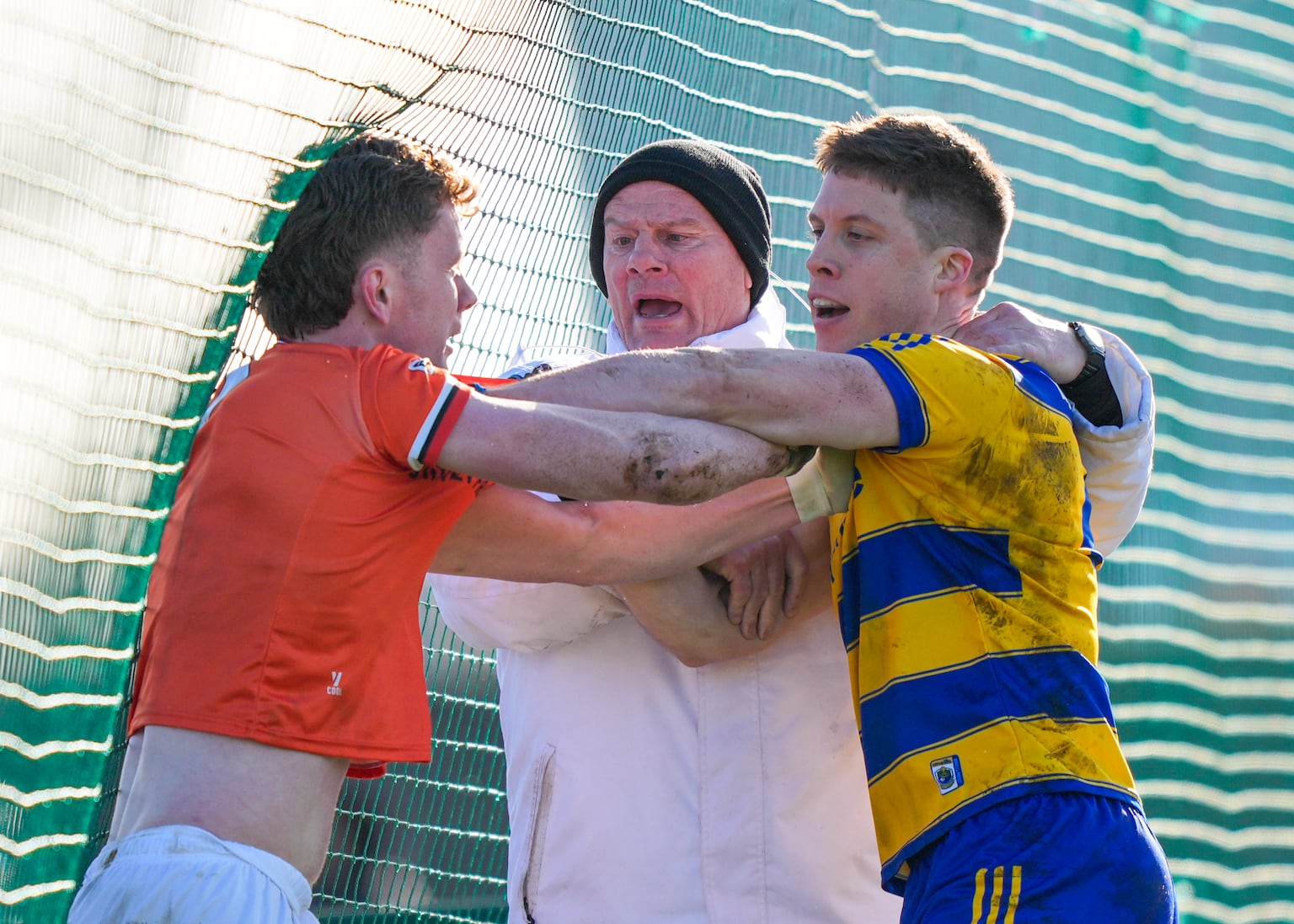
Roscommon did everything in their power to slow up and disrupt Armagh’s comeback.

13 of Aaron Brady’s 16 undelayed restarts in the second half took more than 28 seconds, with nine of them kicked more than 30 seconds after the ball had gone dead.

Brady walked after loose footballs when others were sitting at his post. He twice received treatment from the physios, once in either half at times when Armagh were in a spell of dominance.

Despite the audible protestations of the visiting team’s sideline and supporters throughout the second half, referee Niall Cullen didn’t act.

Slowing up the kickouts frustrated Armagh and, crucially with the hooter at play, ate into a clock that has less sympathy now for that than ever. It’s either running or it’s not, and on kickouts, it is.

Even if you get away with the time, by slowing the game you’ve invited the opposition to get their setup exactly right.

It didn’t help Roscommon in terms of actually winning possession from the kickouts but it frustrated Armagh, ate their time and broke their momentum.

Beggan staying home for Monaghan and goal chances spurned

IT could be the nature of an early-season game in Croke Park, but even the week before there was a notable downturn in the number of attacking involvements Rory Beggan had for Monaghan.

Croke Park in February can make a game move up and down much faster than the legs might carry any man 100 yards each way every time there’s an attack.

But it was interesting that even when they had the wind in Dr Hyde Park the week before, he only joined two attacks in that first half. He didn’t touch the ball in either, although his decoy run through the arc in the first helped open a gap that resulted in a goal that was ultimately disallowed for a square ball.

It was just past the hour mark in Healy Park when Niall Morgan joined his first attack for Tyrone against Cavan at the weekend.

The change of the 4v3 rule midway through last year’s league led to a very sudden downward trend in terms of goalkeeper involvement.

In the league, both sides of that rule change, goalkeepers received an average of just under 10 passes per game and were taking 0.6 shots per game.

By the summer’s Sam Maguire Cup games, that was down to just 1.4 passes and 0.2 shots.

A goalkeeper joining the attack now is doing so at the expense of an outfield player rather than to supplement them, which has left managers questioning the point of it.

Even when Monaghan were chasing scores late on in Croke Park on Saturday, Beggan never left his arc. Even his positioning on Dublin kickouts was much deeper than in the past. The two-point threat he carries from frees remains. The hyper-awareness of it from opposition teams has led to Monaghan being able to build attacks around the edge of the arc free of much contact, because defences are so scared to foul and give away what are effectively tap-over frees to him.

Monaghan are learning the hard way when it comes to goal chances. They’ll be delighted to have created seven of them but perturbed that they took none.

They left four behind them against Donegal in Croke Park last year. Their goal was fortunate in the sense that Micheal Bannigan completely scuffed the shot, deceiving Shaun Patton.

In Salthill the year before, they had Galway on the rack when Barry McBennett struck the underside of the bar. 2023 and Dublin, the early chances that fell to Conor McCarthy and Ryan McAnespie.

They are making them, they just have to start taking them.

Down efficient but still learning hard lessons

Not that they’ll be thinking this way at all but with Donegal coming down the tracks, Down would know if their heart of hearts that leaving their status as a Sam Maguire team to the events of that afternoon would be taking a big risk.

This is a big year for Conor Laverty’s team. Year three under the Kilcoo man, they’ve made very definite and pretty rapid progress.

But opportunities are finite and they’re at the point of probably needing a big win now to put another layer on the moral victories of their performances in last summer’s All-Ireland series.

In that regard, Saturday evening was massive. Westmeath have been in their eyeline for all of Laverty’s time in charge. It still feels as though the most likely endgame for Division Three is as it was two years ago, the two of them meeting in the final.

What Down have become really good at in terms of winning these games is being efficient in front of goal. They have to be so careful to protect that.

In between Odhran Murdock flinging their first shot wide and John McGeough being deemed to have fouled the ‘keeper on Pat Havern’s dropping fisted effort that ended the first half, Down scored all of their 11 shots, racking up 1-10.

But it let them down in the second half, alongside moments of poor decision-making. Barry O’Hagan had a tapover free from 20 metres but decided to go short to Adam Crimmins in search of a goal. They got turned over and seconds later, the ball was in the back of the Down net instead and the gap was down from six to three.

They scored 1-5 from 12 shots in the second half. Their totem Murdock kicked 0-3 but was responsible for three of their four wides on the night.

‘Something big is happening’: Apple could be heading for a Mac mini shortage, and you can blame AI

  • Apple’s Mac mini and Mac Studio are suffering from long shipping delays
  • This pertains to the models with more than a baseline level of RAM
  • It’s seemingly the consequence of the AI boom and popularity of local AIs, notably OpenClaw, which is causing, or at least contributing to it

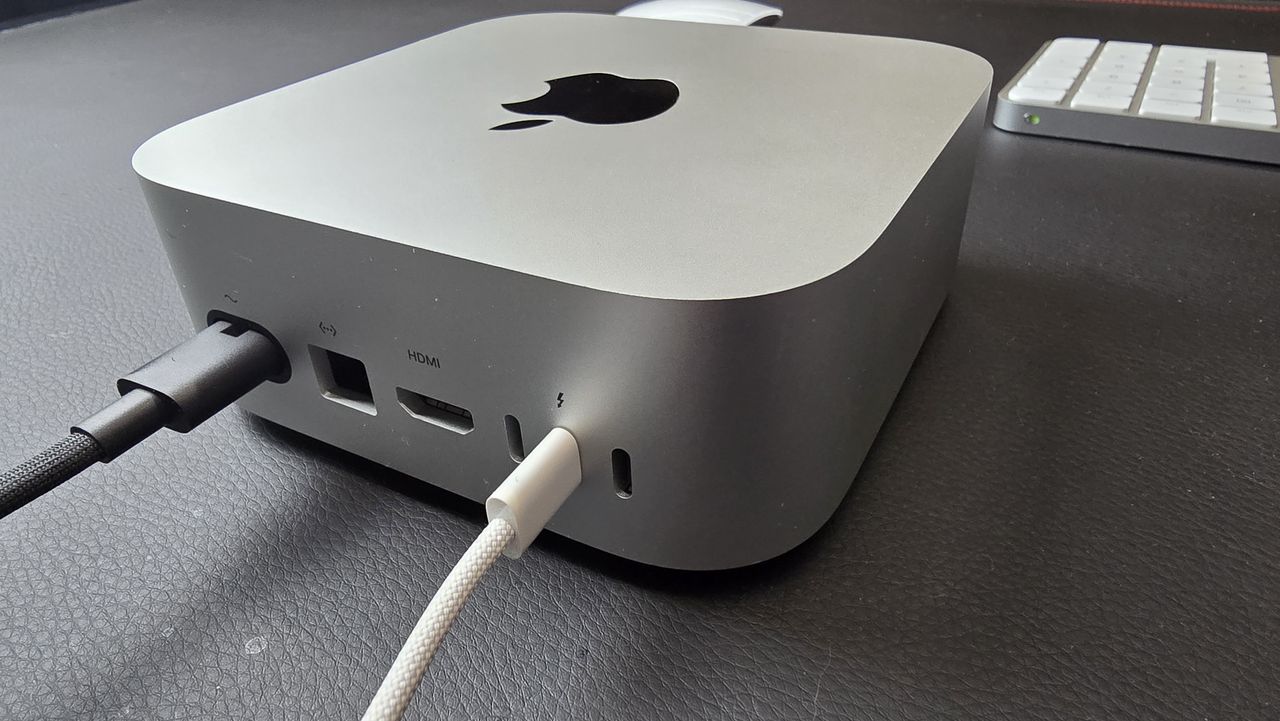
If you were thinking of ordering a Mac mini with lots of RAM from Apple, then you could be in for something of a wait – and that’s even more true for the Mac Studio.

Tom’s Hardware noticed a post on X from Alex Finn, the CEO of Creator Buddy (an AI tool), who observed that: “Something big is happening. First Mac Minis. Now Mac Studios. Completely sold out. When I bought 2 Mac Studios a month ago, my wait was 14 days. Now the wait is 54 days.”

The theory is that people are catching on to the potential of AIs that are run locally – meaning on your own PC, rather than accessed in the cloud – and this is being driven ahead at a fast pace by the popularity of AI agent OpenClaw (among other factors).

So, people are looking for a PC with a beefy enough loadout of RAM to run such local AIs. Apple’s Mac mini and Mac Studio, which you can load up with an absolute ton of memory, are good candidates for the job. (The RAM comes at a correspondingly high cost, it should be noted.)

If we look at the Apple store in the US currently, the evidence is plain enough to see. The base Mac mini with the vanilla M4 chip is available for immediate dispatch in its 16GB form, but if you want 24GB or 32GB of RAM, you’re looking at a wait of two to three weeks for delivery.

With the Mac mini M4 Pro model, you are also going to be waiting two to three weeks for the PC to arrive, with the only exception being the base model again – in this case, the lower-tier CPU with 24GB of RAM, which can be sent out immediately.

For the Mac Studio, the wait is even longer. With the PC that has the M4 Max higher-tier variant, if you want this model with 64GB of RAM, there’s currently a delay of four to five weeks. Go for the 128GB model, and you’ll be drumming your fingers for five to six weeks before your Mac Studio shows up. (Disclaimer: finger drumming for extended periods of time is not recommended.)

The M3 Ultra version of the Mac Studio, with a whopping 512GB of RAM, is also showing a five to six week shipping delay from Apple. All of these delivery timeframes are accurate at the time of writing, but may have altered by the time you read this.

Analysis: mini mania

The Mac mini, packed with a whole load of RAM, is a great solution for running an AI locally, with that unified memory (shared by the CPU, NPU, and GPU) being seriously nippy and ideal for such tasks.

And this is seemingly being reflected in sales of these compact computers, and the beefier Mac Studio, too. As Tom’s points out, there’s a growing number of companies that are using “clusters and clusters of Mac Studios” which are “perfect for long-running agentic tasks and local private LLMs” (Large Language Models, or AIs).

While there clearly are some pretty long lead times for ordering RAM-packed Macs, we can’t jump to the conclusion that this is entirely due to a local AI boom. But there’s clearly something going on in that respect, and it’s not going to help if Apple is facing supply pressures at this point in terms of securing memory inventory. (And even Apple’s huge resources will start to creak at some point).

If we see this trend continue, it’s not difficult to imagine where all this is headed – these Macs are going to get very expensive (which is true with the RAM crisis as it is, anyway), and maybe even difficult to get hold of at all.

In short, if you were mulling the purchase of a Mac mini (or indeed a Mac Studio) with more than a baseline amount of memory, you might want to think about pulling the trigger sooner rather than later.

Follow Sohh.comon Google News and add us as a preferred source to get our expert news, reviews, and opinion in your feeds. Make sure to click the Follow button!

And of course, you can also follow Sohh.comonYouTube and TikTok for news, reviews, unboxings in video form, and get regular updates from us on WhatsApp too.

Like this article? For more stories like this, follow us on MSN by clicking the +Follow button at the top of this page.