Kill time or get the thing going?
Goalkeepers killing time against the wind is the oldest trick in the book – but is it still as effective as it once was?
One of the features of Donegal’s first half display against Mayo was that, unlike many teams playing against the wind, they sought to keep the game alive as much as they could.
That was a sign that they feel the road to control is through keeping the ball in play rather than relying on possession from kickouts.
Gavin Mulreany had eight kickouts into the wind. Other than the one delayed by the introduction of Mayo sub Conor Loftus, Mulreany took the other seven relatively quickly. Two of his first three, he had the ball gone inside nine seconds, and the other took 16 seconds. The next three took 23, 22 and 25 seconds respectively.
Shane Murphy and Galway rookie Eamon McGrath operated along pretty similar lines in their clash. Stoppages aside, only three kickouts by the two of them combined were taken more than 30 seconds after the ball had gone dead.
When Galway cut the gap to a point late on, rather than invite pressure, Murphy got the ball to tee and away after 16 seconds. It ended with Dylan Casey pushing the lead back out to two, and ultimately helping salvage a draw.
That was a feature of Kerry’s play last year. Go back to the All-Ireland quarter-final against Armagh. Rory Grugan has just put the ball in the top corner. By the time the TV footage is going to a replay 11 seconds later, Shane Ryan is in the act of kicking the ball out. 16 seconds later, Seanie O’Shea has the ball between the posts at the other end.
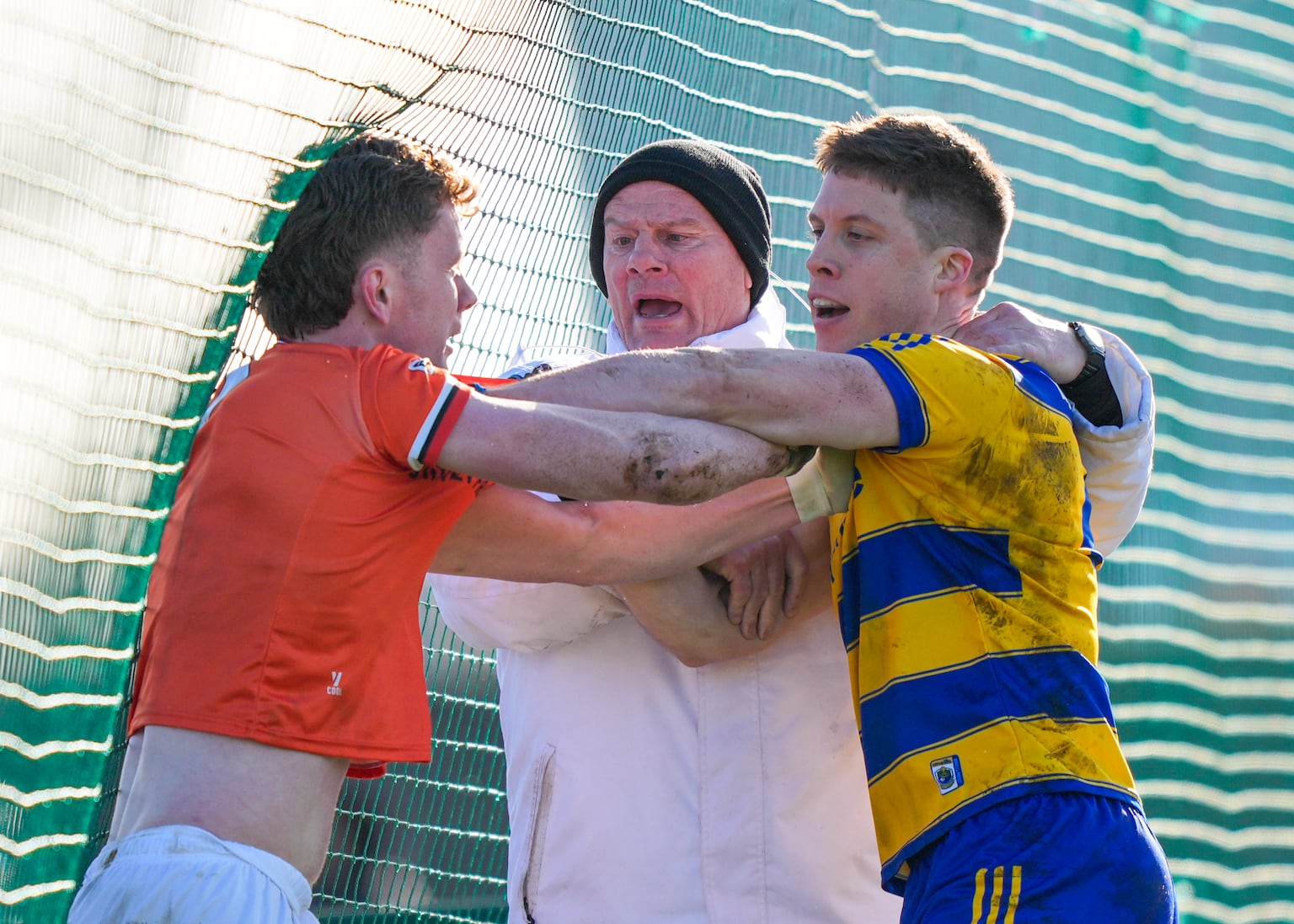
Roscommon did everything in their power to slow up and disrupt Armagh’s comeback.
13 of Aaron Brady’s 16 undelayed restarts in the second half took more than 28 seconds, with nine of them kicked more than 30 seconds after the ball had gone dead.
Brady walked after loose footballs when others were sitting at his post. He twice received treatment from the physios, once in either half at times when Armagh were in a spell of dominance.
Despite the audible protestations of the visiting team’s sideline and supporters throughout the second half, referee Niall Cullen didn’t act.
Slowing up the kickouts frustrated Armagh and, crucially with the hooter at play, ate into a clock that has less sympathy now for that than ever. It’s either running or it’s not, and on kickouts, it is.
Even if you get away with the time, by slowing the game you’ve invited the opposition to get their setup exactly right.
It didn’t help Roscommon in terms of actually winning possession from the kickouts but it frustrated Armagh, ate their time and broke their momentum.
Beggan staying home for Monaghan and goal chances spurned
IT could be the nature of an early-season game in Croke Park, but even the week before there was a notable downturn in the number of attacking involvements Rory Beggan had for Monaghan.
Croke Park in February can make a game move up and down much faster than the legs might carry any man 100 yards each way every time there’s an attack.
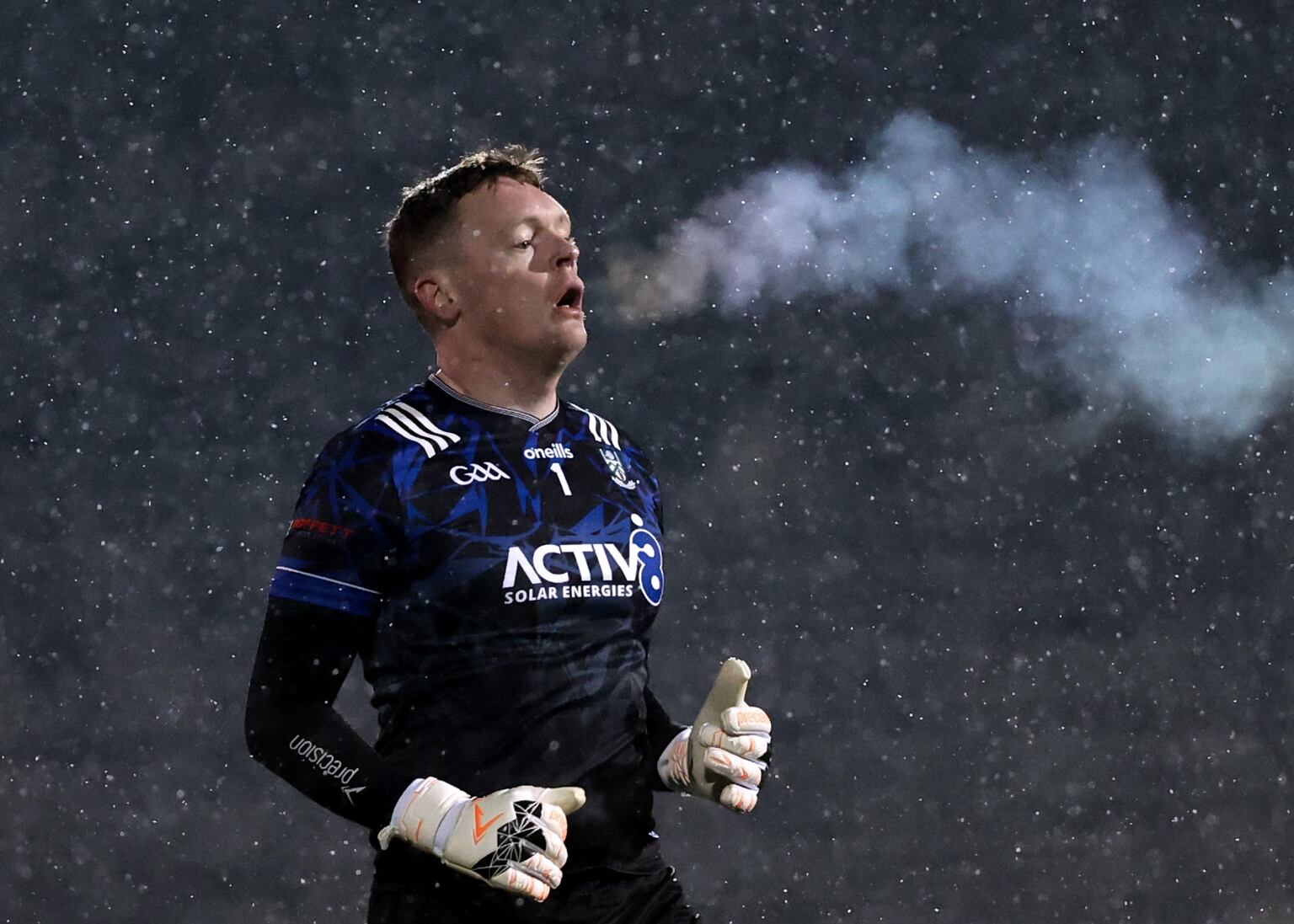
But it was interesting that even when they had the wind in Dr Hyde Park the week before, he only joined two attacks in that first half. He didn’t touch the ball in either, although his decoy run through the arc in the first helped open a gap that resulted in a goal that was ultimately disallowed for a square ball.
It was just past the hour mark in Healy Park when Niall Morgan joined his first attack for Tyrone against Cavan at the weekend.
The change of the 4v3 rule midway through last year’s league led to a very sudden downward trend in terms of goalkeeper involvement.
In the league, both sides of that rule change, goalkeepers received an average of just under 10 passes per game and were taking 0.6 shots per game.
By the summer’s Sam Maguire Cup games, that was down to just 1.4 passes and 0.2 shots.
A goalkeeper joining the attack now is doing so at the expense of an outfield player rather than to supplement them, which has left managers questioning the point of it.
Even when Monaghan were chasing scores late on in Croke Park on Saturday, Beggan never left his arc. Even his positioning on Dublin kickouts was much deeper than in the past. The two-point threat he carries from frees remains. The hyper-awareness of it from opposition teams has led to Monaghan being able to build attacks around the edge of the arc free of much contact, because defences are so scared to foul and give away what are effectively tap-over frees to him.
Monaghan are learning the hard way when it comes to goal chances. They’ll be delighted to have created seven of them but perturbed that they took none.
They left four behind them against Donegal in Croke Park last year. Their goal was fortunate in the sense that Micheal Bannigan completely scuffed the shot, deceiving Shaun Patton.
In Salthill the year before, they had Galway on the rack when Barry McBennett struck the underside of the bar. 2023 and Dublin, the early chances that fell to Conor McCarthy and Ryan McAnespie.
They are making them, they just have to start taking them.
Down efficient but still learning hard lessons
Not that they’ll be thinking this way at all but with Donegal coming down the tracks, Down would know if their heart of hearts that leaving their status as a Sam Maguire team to the events of that afternoon would be taking a big risk.
This is a big year for Conor Laverty’s team. Year three under the Kilcoo man, they’ve made very definite and pretty rapid progress.
But opportunities are finite and they’re at the point of probably needing a big win now to put another layer on the moral victories of their performances in last summer’s All-Ireland series.
In that regard, Saturday evening was massive. Westmeath have been in their eyeline for all of Laverty’s time in charge. It still feels as though the most likely endgame for Division Three is as it was two years ago, the two of them meeting in the final.
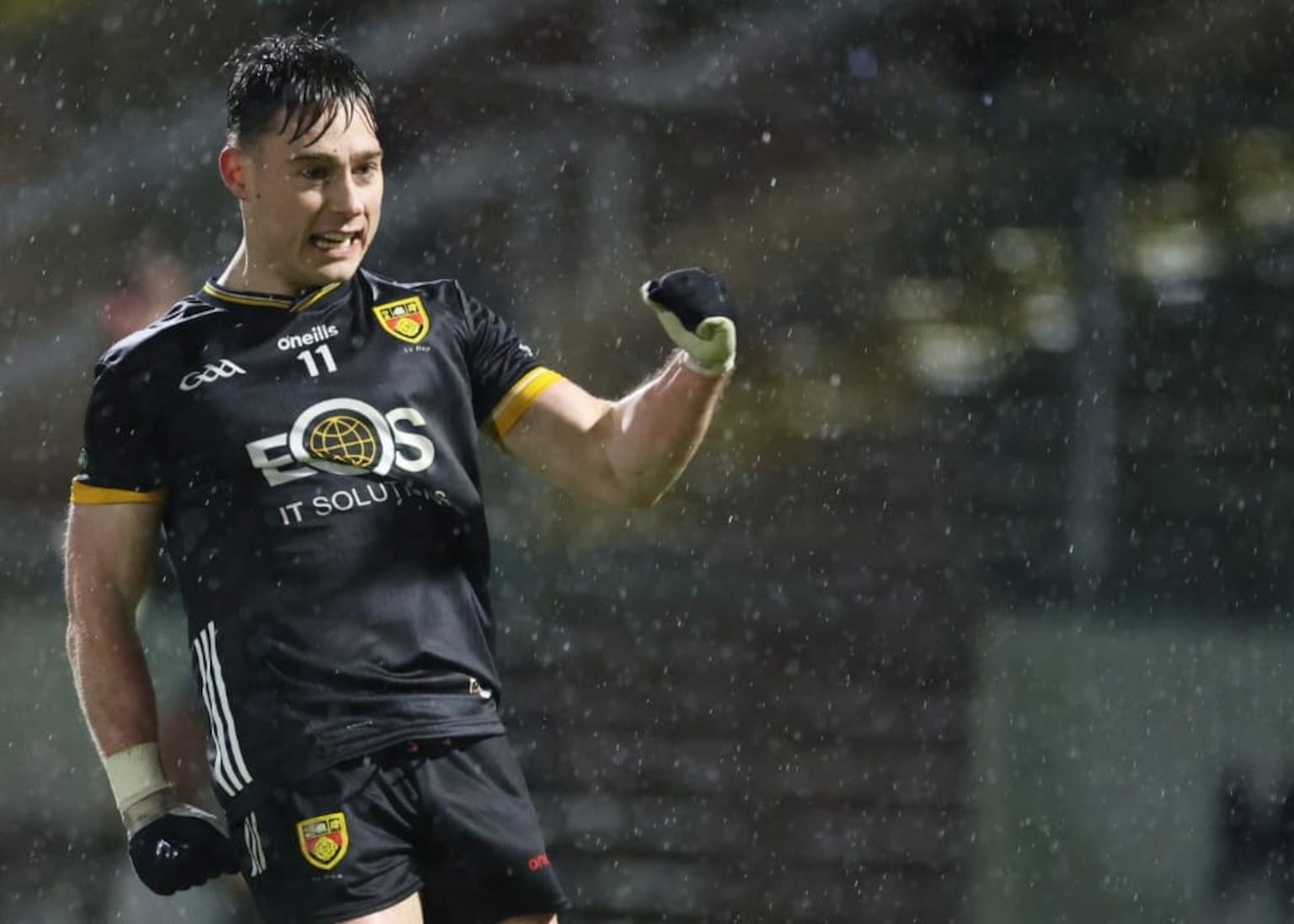
What Down have become really good at in terms of winning these games is being efficient in front of goal. They have to be so careful to protect that.
In between Odhran Murdock flinging their first shot wide and John McGeough being deemed to have fouled the ‘keeper on Pat Havern’s dropping fisted effort that ended the first half, Down scored all of their 11 shots, racking up 1-10.
But it let them down in the second half, alongside moments of poor decision-making. Barry O’Hagan had a tapover free from 20 metres but decided to go short to Adam Crimmins in search of a goal. They got turned over and seconds later, the ball was in the back of the Down net instead and the gap was down from six to three.
They scored 1-5 from 12 shots in the second half. Their totem Murdock kicked 0-3 but was responsible for three of their four wides on the night.

Leave a Reply