There’s only one thing I want in watchOS 27, and it’s probably not what you’re expecting

The watchOS 27 update is starting to appear on the horizon, but with months to go until it’s expected to be unveiled at Apple’s Worldwide Developers Conference (WWDC) in June this year, we still don’t know much about what’s supposedly on the way.

Despite that, though, I’m not concerned. At this stage, I’m not hoping for countless reams of new features to be added to all the best Apple Watches. In fact, there’s only one change I really want to see in watchOS 27: better battery life.

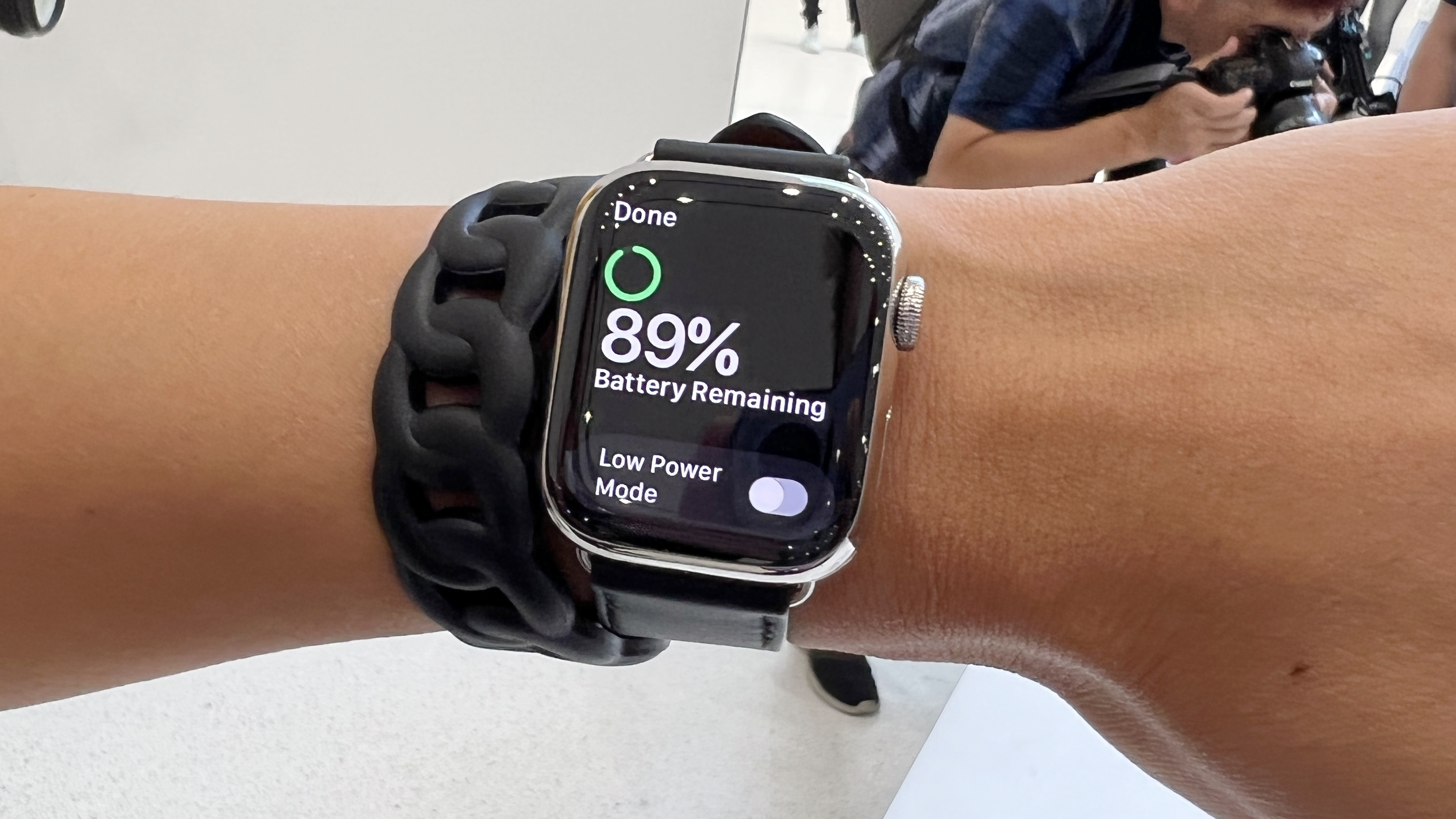
Of course, we don’t know for sure if that’s even on Apple’s roadmap at the moment, especially as the increased 24-hour battery life was such a flagship hardware feature of the Apple Watch Series 11. I sincerely hope that it is, though, because reducing the power consumption of its OS and extending the battery of all compatible watches would be such a boon to its users.

Right now, there aren’t many other things I can think of that will have as much of an impact as this would for Apple Watch users. If Apple wants to level up its watches in a substantial way, extending their battery life is one way to do it.

The one feature I really want
Looking back at watchOS 26, I struggle to pick out any new feature that I’ve found to be truly transformative since last summer. For example, Sleep Score is interesting but its real-world impact on my sleep and behavior is limited at best. Workout Buddy is far too upbeat for my taste – I got fed up and switched it off soon after testing it out.

Some features, like the new wrist flick gesture, are incredibly inconsistent and unreliable in my experience. Others, like the addition of Notes, just feel like bloat. The Apple Watch’s display is far too small for me to scroll through my notes, much less create new ones.

That’s led me to an inescapable conclusion: watchOS is mature enough now that it feels like the avenues for new innovations – especially on the software side – are narrowing. I’m sure Apple can add additional interesting features in the future, but it’s tough to dream up something truly transformative at this stage.

That’s why I don’t want to see any more fluff from Apple at WWDC. In fact, improved battery life is the only new feature I actually, truly want to be added to watchOS.

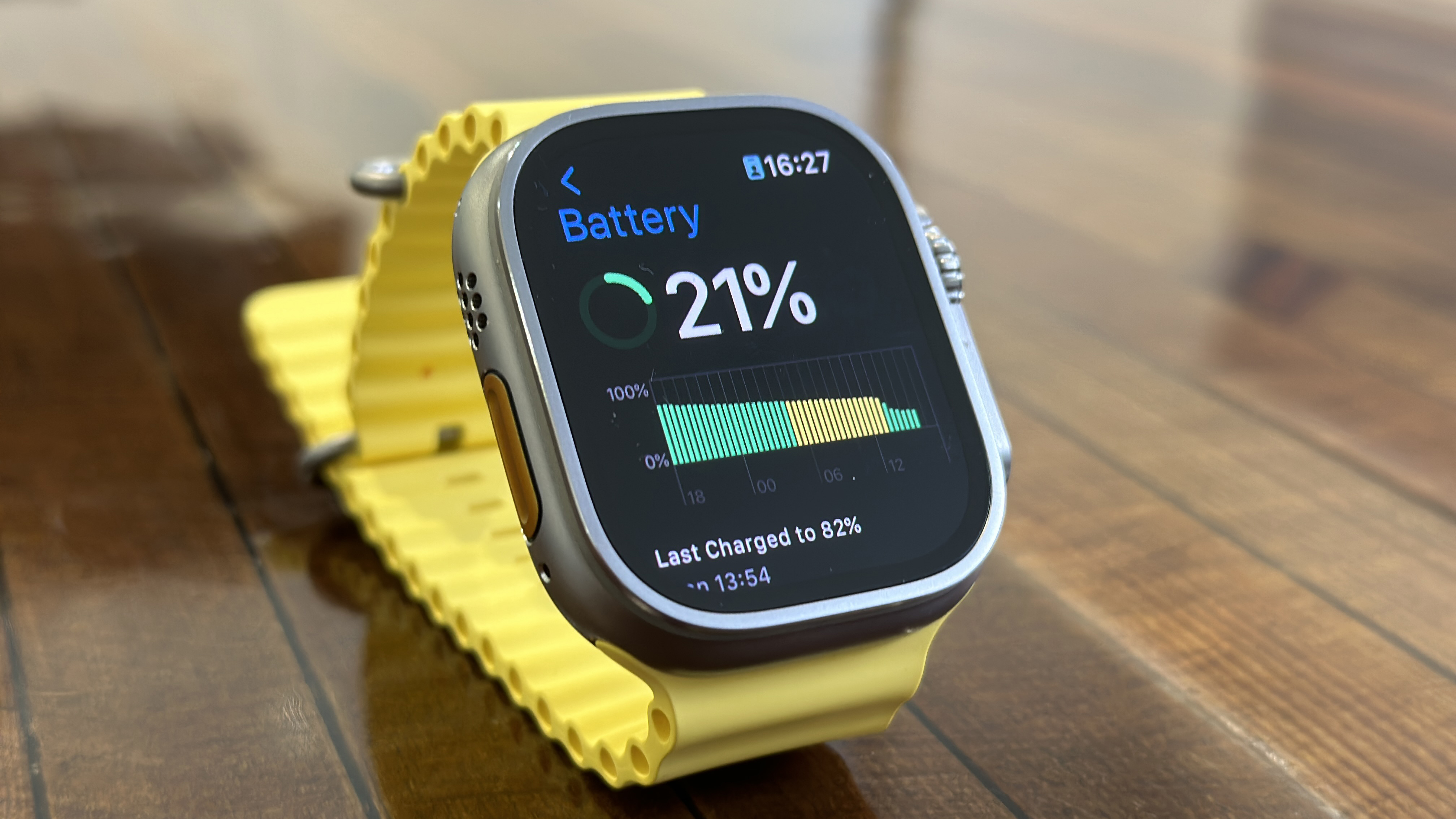
Don’t get me wrong, I wouldn’t say that Apple Watch battery life is actively bad right now. It gets me through an entire day and night at a time, and I just need to juice it back up first thing in the morning. But compare that to rival products and the differences are stark: the Garmin Fenix 8, for instance, lasted for 16 days on a single charge in our testing. That’s orders of magnitude better than the Apple Watch.

Things are even worse after a few years of use. My partner has my old Apple Watch Series 5, and she’s frequently frustrated by its lack of staying power. In fact, she can’t use it anywhere near as much as she wants to because it needs such frequent recharging.

Offering meaningful change in this area will have far more of an impact than some half-baked gestures and apps that no one asked for. It’s what Apple should be focusing on for WWDC.

The age of ‘all-day battery life’
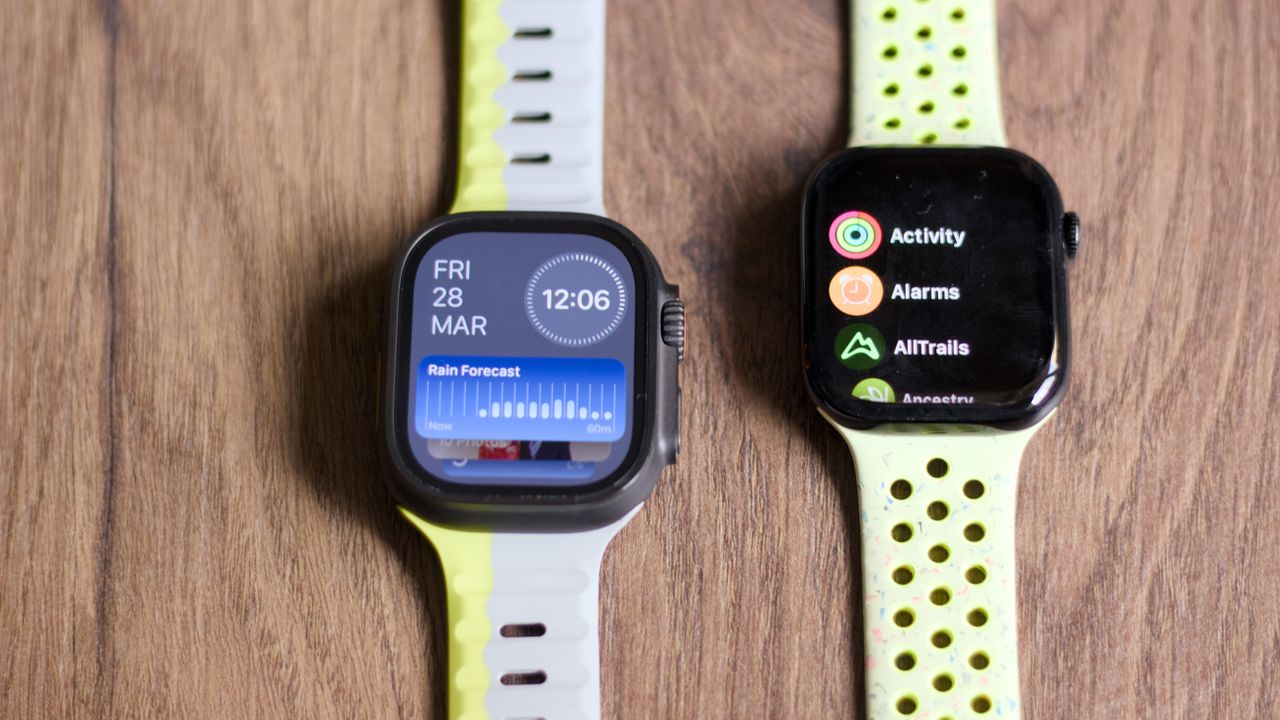
Of course, there are good reasons for some of the glaring battery life differences when comparing the Apple Watch to rival devices. Looking at the Apple Watch Ultra 3, it uses a higher-quality LTPO3 OLED screen compared to the Garmin Fenix 8’s low-refresh-rate AMOLED display, while watchOS covers many more bases and offers a wider breadth of features than Garmin’s operating system. When you have a situation like that, it’s not surprising that the Apple Watch’s battery doesn’t last as long.

What’s more, any wearable watch – the Apple Watch included – is naturally going to be limited by its size. You can’t fit a massive battery in a case that’s only 49mm across at a maximum, as it is for the Apple Watch Ultra 3.

But that doesn’t mean we can’t hope for better from Apple.

Thankfully, there are indications that Apple might be heading in the right direction in time for WWDC. Bloomberg reporter Mark Gurman has said that iOS 27, for example, will largely focus on small improvements rather than new features. One upshot of that is that iOS 27 could bring with it longer battery life as a result.

However, Gurman also notes that Apple might not make a big song and dance of this, which suggests to me that the battery gains could be fairly minor. Regardless, I’m hopeful that Apple will extend its battery focus to its operating systems, resulting in better battery life as part of watchOS 27 too.

It’s all I’m really hoping for this year when it comes to the Apple Watch. Please, Apple, concentrate on the one thing that could make an outsized difference to your smartwatch customers and extend the battery life to something much more significant. The company’s much-discussed “all-day battery life” has had its day. It’s time to work towards multi-day longevity.

Follow Sohh.comon Google News and add us as a preferred source to get our expert news, reviews, and opinion in your feeds. Make sure to click the Follow button!

And of course you can also follow Sohh.comon TikTok for news, reviews, unboxings in video form, and get regular updates from us on WhatsApp too.

Like this article? For more stories like this, follow us on MSN by clicking the +Follow button at the top of this page.
Seagate and Western Digital HDDs dominate reliability charts

  • Seagate and Western Digital dominate reliability rankings across massive real-world datasets
  • Annualized failure rate falls to 1.36% across 344,196 drives
  • Vibration emerges as the suspected cause behind the sudden reliability collapse

Backblaze has released its 2025 drive reliability data, offering one of the clearest large-scale snapshots of HDD performance in active data centers.

The cloud storage and data backup firm examined 344,196 drives that collectively operated for 115,638,676 days during the year, finding 4,317 drives in the pool failed, resulting in an Annualized Failure Rate (AFR) of 1.36%.

Despite the failure, the figure is an improvement over the previous year’s 1.57% and continues a gradual decline from earlier results – and every model in the fleet recorded at least one failure, which reinforces that no HDD is immune to wear or operational stress.

However, several drives stood out for exceptionally low failure counts. The Seagate ST16000NM002J 16TB recorded just one failure across the year.

Western Digital WUH722626ALE6L4 26TB also logged a single failure, though it was deployed for only one quarter.

Toshiba’s MG09ACA16TE 16TB followed with three failures, while the Seagate ST12000NM000J 12TB and HGST HMS5C4040BLE640 4TB recorded four and five failures, respectively.

While those results support Seagate and Western Digital models as strong performers in this dataset, the same report identified drives with elevated quarterly failure rates.

In the fourth quarter of 2025, the HGST HUH728080ALE600 8TB posted a 10.29% failure rate, marking the first double-digit figure for that model.

Backblaze investigated potential environmental causes, including temperature and airflow, but ruled them out.

Vibration is now considered a possible factor, although these units are roughly 7.5 years old and already scheduled for retirement.

Other drives with notable fourth quarter rates include the Seagate ST10000NM0086 10TB at 5.23% and the Toshiba MG08ACA16TEY 16TB at 4.14%.

Toshiba’s figure represents a significant drop from 16.95% in the prior quarter, following a firmware update intended to correct the issue.

The rate remains higher than the fleet average, but further normalization is expected as updated firmware deployment continues.

Beyond reliability metrics, the report also reveals that storage economics keep shifting as HDD capacity continues to increase.

However, the cost per gigabyte had been trending downward before supply disruptions in late 2025 affected memory and storage components.

Despite remaining cheaper than SSDs and RAM on a per — gigabyte basis, HDD prices have risen with the Seagate Barracuda 24TB now selling for $389.99 on Newegg, a 56% increase from its $249.99 price tag a few months ago.

These results suggest that reliability gains are incremental rather than dramatic, and that drive age, workload, and environment remain critical variables.

While the aggregate AFR improved, individual model performance still varies significantly.

Therefore, there is a need for careful deployment decisions that consider workload demands and even CPU-level data handling patterns.

Follow Sohh.comon Google News and add us as a preferred source to get our expert news, reviews, and opinion in your feeds. Make sure to click the Follow button!

And of course you can also follow Sohh.comon TikTok for news, reviews, unboxings in video form, and get regular updates from us on WhatsApp too.

Like this article? For more stories like this, follow us on MSN by clicking the +Follow button at the top of this page.
Thinking of buying an iPad Air? The upcoming budget MacBook may be a much better alternative – here’s why

Apple isn’t exactly known for undercutting its rivals with affordable price tags, so it’s unusual to hear that the premium brand is on the verge of launching an affordable MacBook – or so the rumors claim.

That growing speculation, which comes from reputable sources including Bloomberg’s Mark Gurman and Ming-Chi Kuo, suggests that a cheaper MacBook could arrive as soon as March 4 in a variety of bright colors.

The new laptop will apparently be much cheaper than Apple’s current lowest-priced MacBook, the $999 MacBook Air, with the price tag potentially going as low as $599 or $699.

On paper, that means it could be a great option for people considering getting an iPad Air. And in my view, it’ll likely be a much better choice for a lot of people.

A tempting iPad alternative

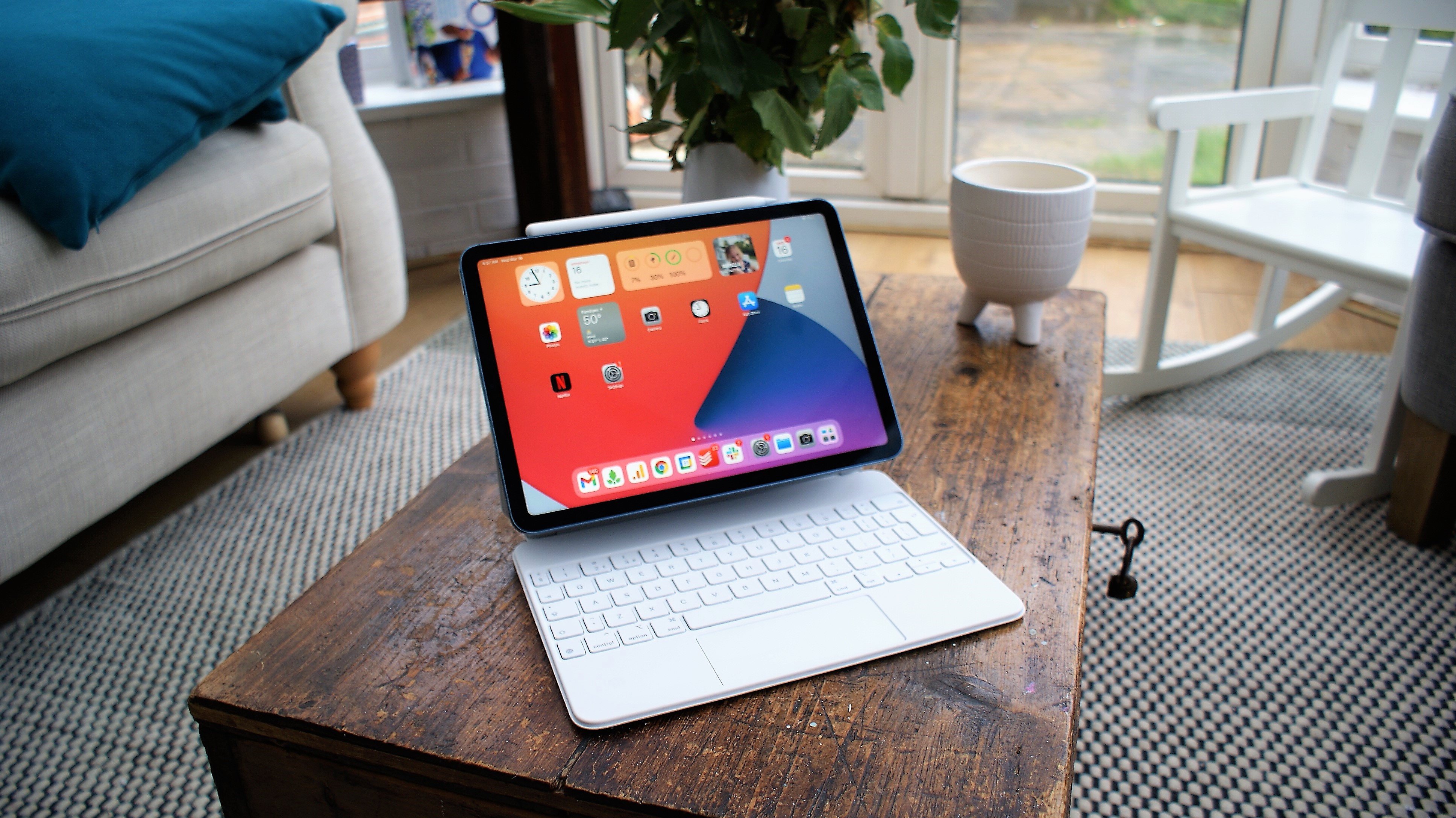
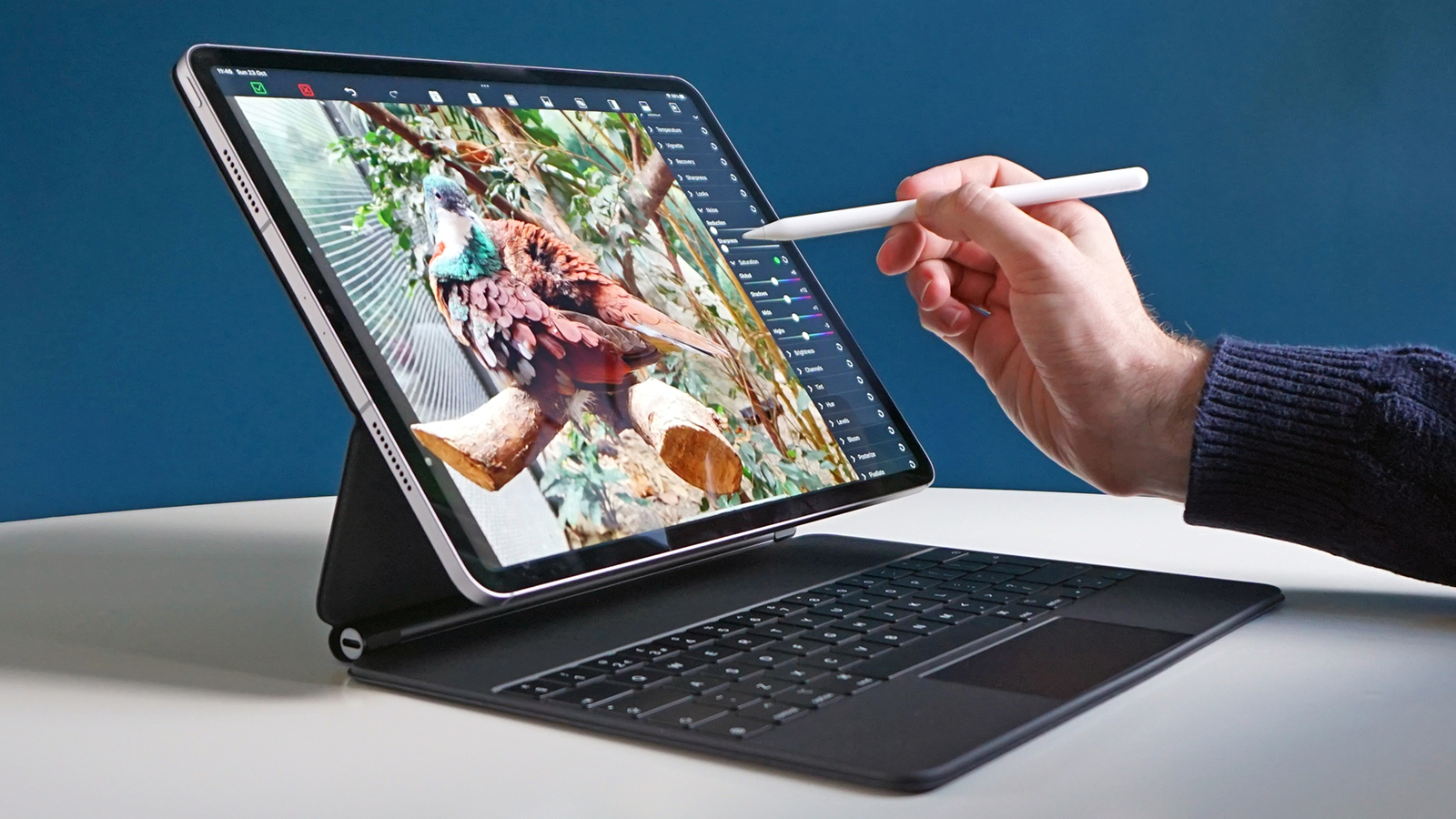
For years, customers looking for an affordable MacBook have been told to get an iPad and pair it up with a keyboard case. That brings both protection and a laptop-like experience without the high cost of one of Apple’s laptops.

But I’ve never been wholly convinced by this argument. Sure, combining an iPad with a keyboard case is cheaper than a shelling out on a MacBook, but in my view the experience isn’t anywhere near as good.

For one thing, iPadOS doesn’t feel as powerful as macOS – it’s designed for touch controls rather than a mouse and keyboard (despite some recent improvements), and many of the best Mac apps and Mac games are not compatible with iPadOS.

Keyboard cases also aren’t as satisfying to type on as a mechanical keyboard made for the Mac – and while you could pair one of these up with an iPad, doing so compromises its portability. If you’re a Mac fan looking to get the same typing feel on an iPad, you’ve got to make some sacrifices.

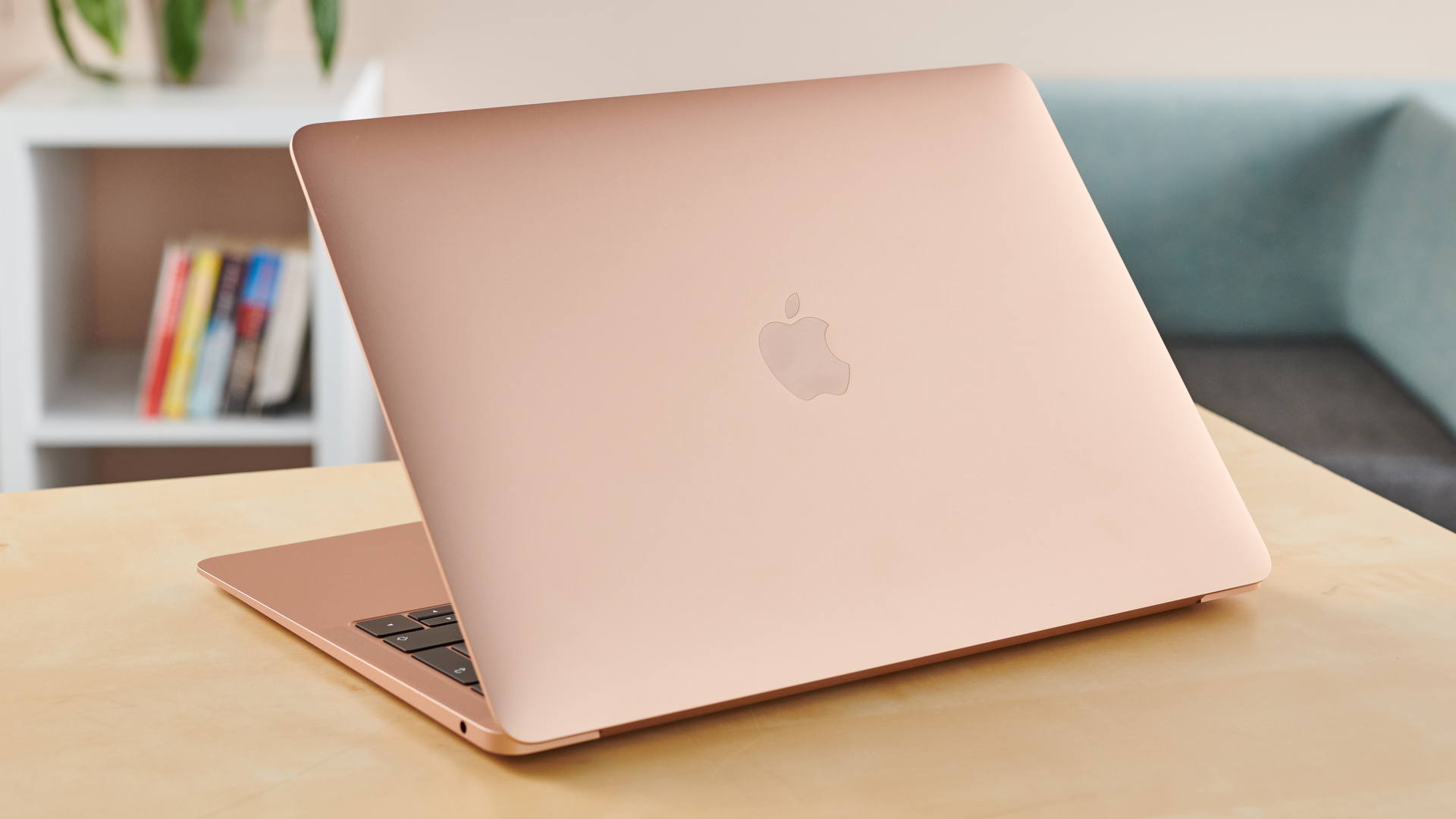
That’s where the rumored cheaper MacBook, which will apparently be powered by an A18 Pro iPhone chip, could neatly fill a gap.

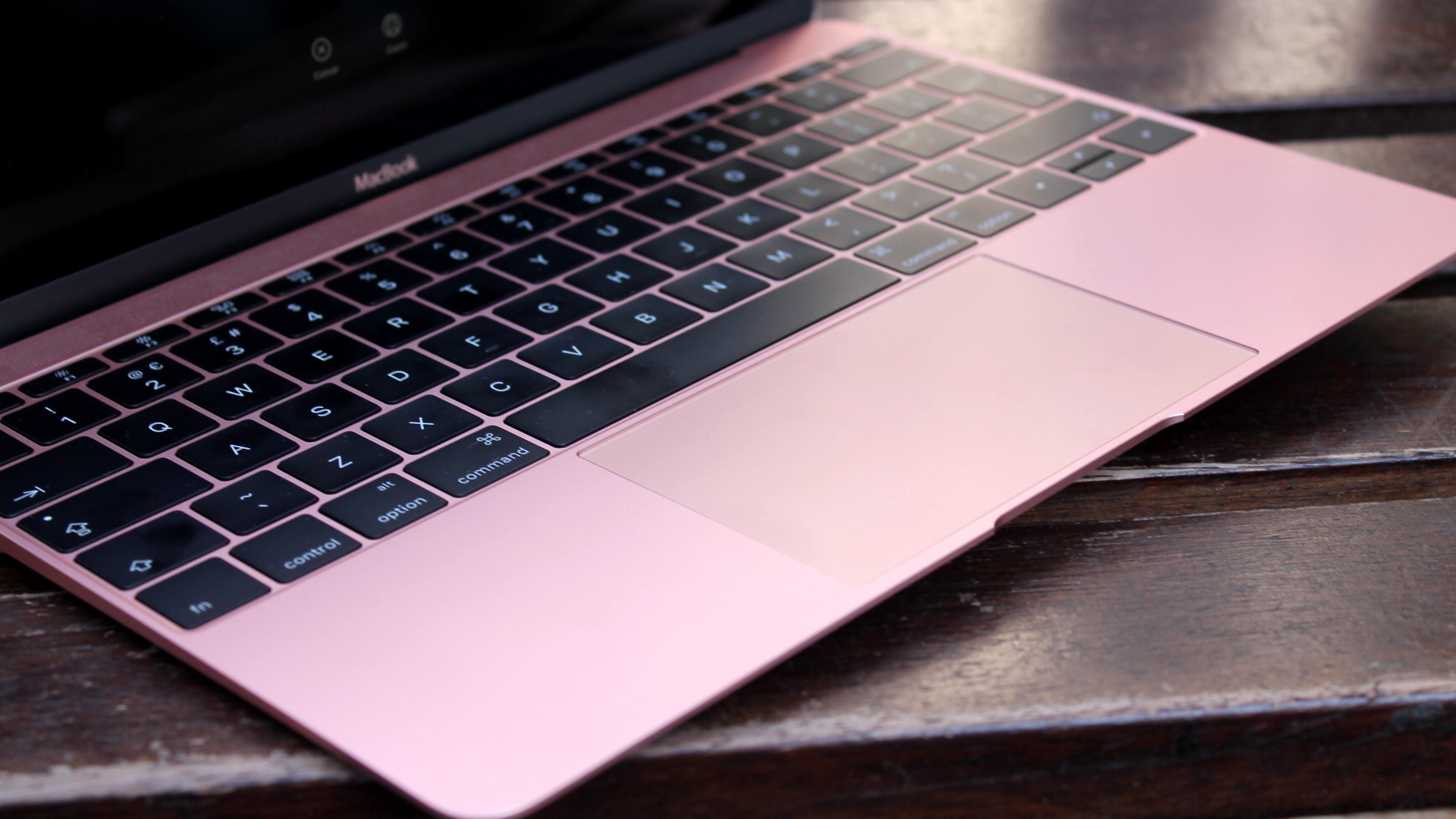
It’ll apparently be available in an array of “playful colors,” with Apple testing “light yellow, light green, blue, pink, classic silver and dark gray” over the past year. That makes it reminiscent of the iPhone 5c, which was a cheaper iPhone that came with several bright color options.

But unlike the iPhone 5c, the affordable MacBook will feature an aluminum chassis, meaning it’ll dodge the route taken by some budget laptops that are kitted out in flimsy plastic. Gurman says that Apple won’t be “cutting corners” when it comes to the device’s build quality, and that makes sense given Apple’s tendencies.

It’s also an important decision, as this low-cost MacBook will be many people’s initial experience of the Apple ecosystem. Clearly, Apple doesn’t want to give them a bad first impression.

By maintaining the quality, Apple also gives iPad users another reason to consider switching to the Mac. The use of aluminum ensures there’s no loss of quality by stepping up from, say, a $599 iPad Air to a MacBook that’s expected to cost around $700. If the new MacBook was made of plastic, that would be instantly off-putting for any existing iPad user.

Which should you pick?

That’s what we expect on a surface level, but how might the low-cost MacBook compare to the iPad Air’s performance? After all, a MacBook that feels great in the hand isn’t worth much if it can’t compete with a cheaper iPad Air.

One of the key questions is the chip housed inside the MacBook. This is widely touted to be Apple’s A18 Pro that originally launched in the iPhone 16 Pro in 2024. The current iPad Air, meanwhile, uses the M3 from 2023.

Despite the former being a mobile chip and the latter being designed for Macs, the two chips actually offer fairly similar performance according to benchmarks, with the A18 Pro pulling slightly ahead in single-core tests and the M3 taking the lead in multi-core performance.

Another area where customers will potentially find similarities is the display. The iPad Air can be bought in 11-inch and 13-inch sizes, while Gurman’s reporting has claimed Apple will offer the MacBook with a display that’s a little smaller than the MacBook Air’s 13.6-inch screen. Gurman says the MacBook’s display will be a “lower-end LCD display,” and while we don’t know exactly how that compares to the iPad Air, that tablet also uses LCD tech (as opposed to OLED or mini-LED).

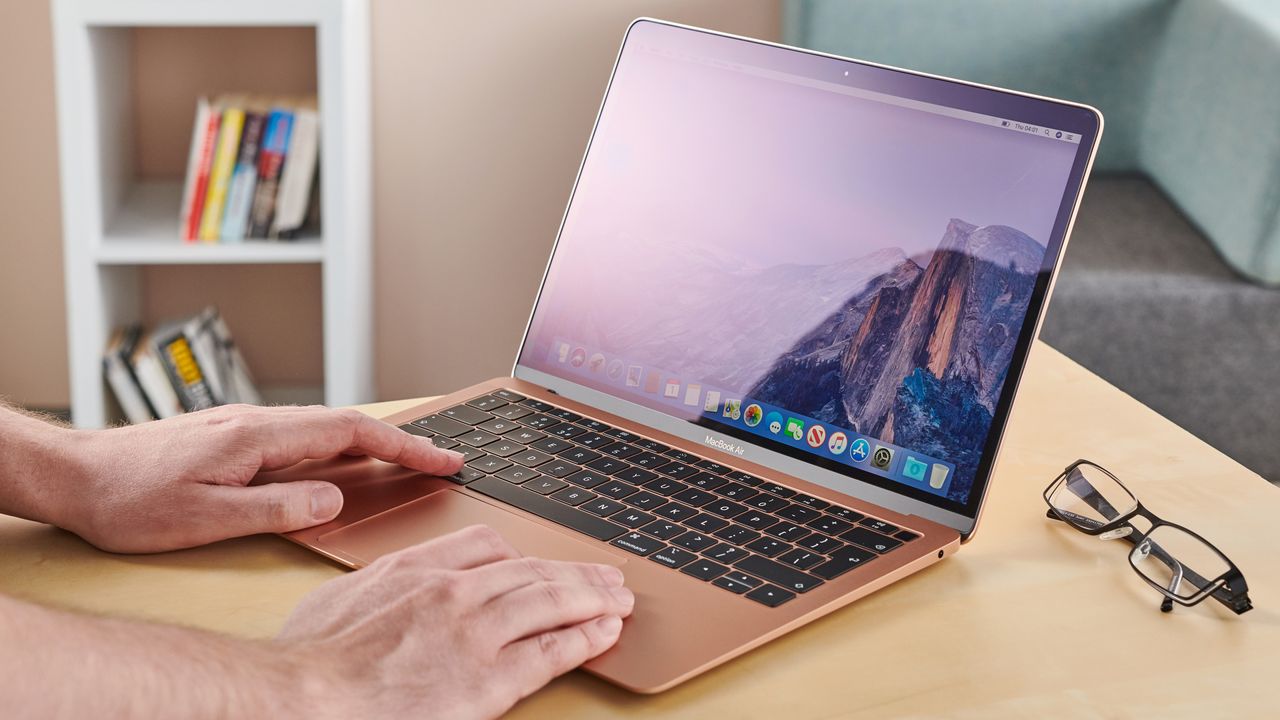
Given the larger internal space in a laptop compared to a tablet, though, one key difference we can expect is with the battery. The current iPad Air will last up to 10 hours of web browsing or video playback, according to Apple. The 13-inch MacBook Air, meanwhile, goes strong for up to 18 hours, with the slightly larger 14-inch MacBook Pro lasting for up to 24 hours. If battery life is important to you, the upcoming MacBook is likely to be a better bet than the iPad Air.

That said, the iPad’s flexibility is undoubtedly something the MacBook won’t be able to match. You can use the iPad Air as a tablet or as a laptop-style device when paired with a keyboard, and it packs in touchscreen tech that will be absent in the MacBook. It’s also much more compact and lightweight and can more easily fit into a backpack on your travels.

That all suggests that picking between the forthcoming MacBook and one of Apple’s tablets isn’t going to be a straightforward affair. But if you’re thinking of buying a mid-range iPad, it does mean it’s worth waiting until early March to find out.

A return to the Steve Jobs way

Apple co-founder Steve Jobs often said that he wanted to make good-quality tech products affordable, and many of the products he developed can be seen to have achieved that.

The original iPad, for example, was priced far lower than most analysts expected, despite its trailblazing features. The iMac G3, too, launched at close to half the price of comparable computers and helped to revolutionize the entire PC industry.

As Jobs himself put it, “I love it when you can bring really great design and simple capability to something that doesn’t cost much … It was the original vision for Apple.”

In that sense, we shouldn’t be too surprised to see an affordable MacBook make an appearance in Apple’s product roster. Making great tech at an approachable price has a strong history at Apple, even if it’s been hard to spot in recent years.

And if you’ve been looking to pick up a new iPad, it might just give you more food for thought.

Follow Sohh.comon Google News and add us as a preferred source to get our expert news, reviews, and opinion in your feeds. Make sure to click the Follow button!

And of course you can also follow Sohh.comon TikTok for news, reviews, unboxings in video form, and get regular updates from us on WhatsApp too.

Like this article? For more stories like this, follow us on MSN by clicking the +Follow button at the top of this page.
‘You can just take a picture…’: Musk pushes Grok as an AI doctor amid expert privacy warnings

Elon Musk is once again urging the public to let his artificial intelligence chatbot play doctor. On 17 February 2026, Musk took to X to endorse a post by DogeDesigner praising the capabilities of Grok 4.20 in breaking down blood tests and medical imaging results. ‘You can just take a picture of your medical data or upload the file to get a second opinion from Grok’, Musk wrote, amplifying the post which had already drawn nearly 500,000 views within the hour.

The renewed push comes as Grok’s latest iteration attracts significant public attention for its speed and accuracy in parsing laboratory results. The original post described Grok 4.20 as ‘insanely good and quick at analysing blood tests’, noting that users could upload lab results, even an MRI, and receive a detailed breakdown almost instantly. It is not the first time Musk has championed this idea, but his latest endorsement marks one of the most direct calls to action yet for ordinary users to substitute, or at least supplement, a doctor’s visit with an AI chat.

A Pattern of Bold Medical Claims

Musk’s latest post is consistent with a months-long campaign to position Grok as a legitimate healthcare aid. As far back as October 2024, Musk was urging users on X to ‘try submitting X-ray, PET, MRI or other medical images to Grok for analysis’, claiming it was ‘already quite accurate and will become extremely good’. He also claimed in a podcast episode that he personally submitted his own MRI to Grok, though he noted that ‘none of the doctors nor Grok found anything’. In January 2026, a video resurfaced of Musk stating he had ‘seen cases where it’s actually better than what doctors tell you’.

A May 2025 peer-reviewed study published in Diagnostics, which assessed ChatGPT-4o, Grok, and Google’s Gemini against 35,711 brain MRI slices, found Grok performed the strongest of the three in identifying pathologies, though researchers noted all models showed limitations. Dr Laura Heacock, associate professor at NYU Langone’s Department of Radiology, wrote that whilst the technical capability clearly exists, ‘non-generative AI methods continue to outperform in medical imaging’.

Experts Sound the Alarm on Privacy

For all the enthusiasm around Grok’s capabilities, healthcare professionals and privacy scholars are far less bullish. Bradley Malin, professor of biomedical informatics at Vanderbilt University, said: ‘This is very personal information, and you don’t exactly know what Grok is going to do with it’. Matthew McCoy, assistant professor of medical ethics at the University of Pennsylvania, was equally direct, saying he would not personally feel comfortable contributing health data and described the exercise as sharing ‘at your own risk’.

The privacy stakes are not abstract. Medical information shared on social media platforms falls outside the scope of HIPAA, the US federal law protecting patients’ private health data, meaning xAI and X are not bound by the same legal obligations as hospitals or insurers. Ryan Tarzy, chief executive of health technology firm Avandra Imaging, said that Musk’s approach carries ‘myriad risks, including the accidental sharing of patient identities’, since much medical imaging data contains embedded personal identifiers.

Accuracy Concerns Persist

Beyond privacy, the accuracy of Grok’s medical interpretations has drawn scrutiny. Doctors who tested the chatbot following Musk’s 2024 invite reported that Grok failed to identify a ‘textbook case’ of tuberculosis, misidentified a broken clavicle for a dislocated shoulder, and in one widely reported instance, mistook a mammogram of a benign breast cyst for an image of testicles. Experts cautioned that such errors could lead to ‘unnecessary tests or treatments, increasing patient burden’, as noted in a report.

Growing Regulatory Scrutiny

Grok is also facing growing regulatory scrutiny in Europe. On 17 February 2026, Ireland’s Data Protection Commission announced a formal inquiry into X over reports that users had been prompted to generate non-consensual sexualised images, including of children, using the Grok AI tool. The inquiry will examine whether X complied with its GDPR obligations on data processing, privacy by design, and data protection impact assessments. It follows a separate legal action in August 2024, which compelled X to suspend using EU user data to train Grok.

The broader debate over AI in healthcare is moving quickly, with OpenAI having launched ChatGPT Health in January 2026, a dedicated feature that allows users to connect medical records and wellness apps with an explicit commitment not to use Health conversations to train its models. As millions of users encounter Grok’s medical features for the first time, the gap between its viral appeal and the caution urged by clinicians and ethicists remains one of the more consequential fault lines in the AI health race.

Related Articles

・How Grok Saved A Man’s Life When Doctors Couldn’t – Elon Musk Reacts

・Owens Says Erika Kirk Sent Gifts to a Minor in a Trafficking-Known Area — and Called It ‘Utterly Impossible’ to Ignore the Pattern

・Donald Trump Shades Barack Obama in Tribute to Reverend Jesse Jackson

・Kristi Noem Faces Backlash After Ordering Coast Guard Search Plane to Abandon Rescue for Deportation Mission

I/O 2026 date revealed for May, and Google teases Gemini, Android

What you need to know

  • Google’s I/O 2026 teaser is live, and users can begin playing with its puzzles to reveal the event’s date.
  • There are five puzzles: Hole in One, Nonogram, Word Wheel, Supersonic Bot, and Stretchy Cat, which all leverage Gemini 3 in one way or another.
  • Google’s 2025 event puzzle had “Prism Shift,” and users quickly sped through that, revealing the date in just a day.

Update

(Update: 2/17 4:08 pm ET): The date’s been revealed, as users rushed to complete the puzzles Google set up for its I/O 2026 event. Users can expect the event to take place on May 19-20. The company posted its official announcement, too, stating the event will be hosted at Shoreline Amphitheatre in Mountain View, California.

Google teases that consumers will get insights into Gemini, Android, and more.

The original article can be read below.

Google is already dropping its preparations for its I/O 2026 conference in mid-February, as a set of puzzles is here, asking the user to help reveal the date.

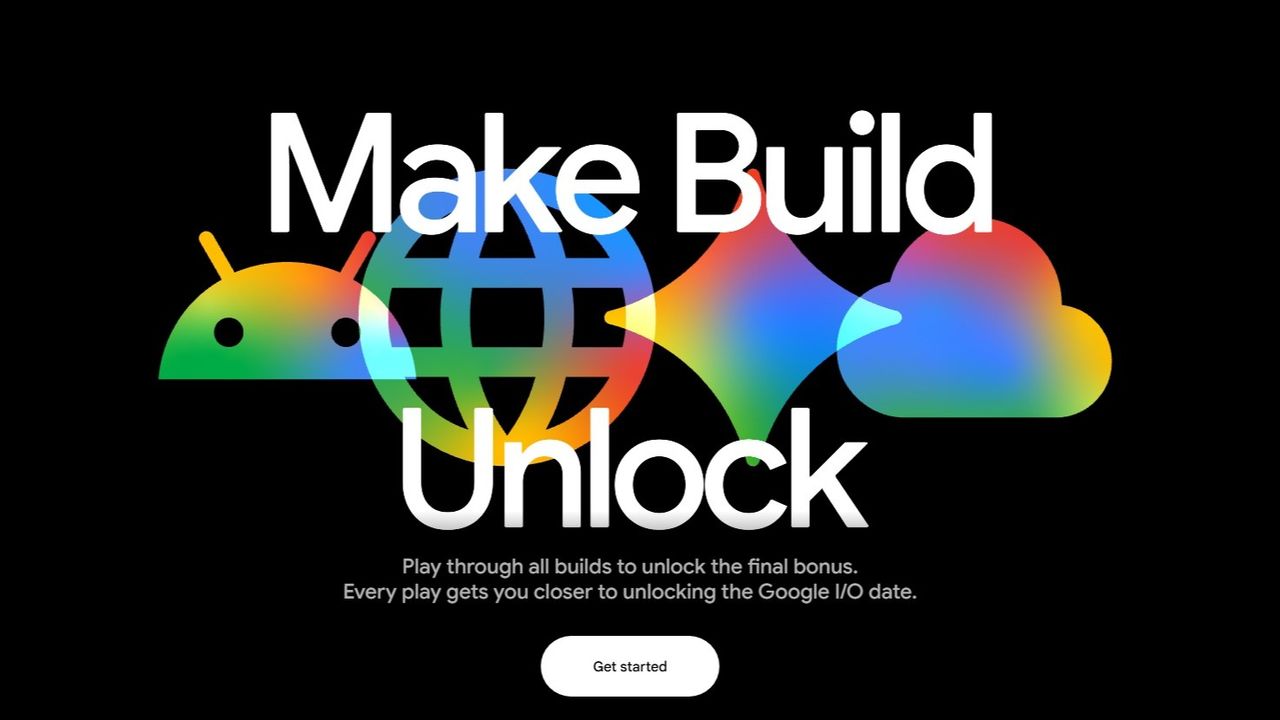
This morning (Feb 17), Google published its official I/O 2026 page, which, for right now, is all about puzzles before the finish line. The company leads with the tagline: “Make, Build, Unlock,” to start hyping up users. Google says users must “play through all builds to unlock the final bonus. Every play gets you closer to unlocking the Google I/O date.” This is pretty standard business around here for Google, so there’s nothing crazy (yet).

After getting started, users are taken to the five puzzles/games they’ll have to play to reveal the I/O date this year.

The five games are: Hole in One, Nonogram (endless board games), Word Wheel, Supersonic Bot (your mic controls the bot’s altitude), and Stretchy Cat. While the first game is pretty self-explanatory, Google explains that every game leverages Gemini’s AI capabilities in one way or another.

For Word Wheel, Gemini 3 comes in to “automate level design, ensuring every puzzle is balanced and enjoyable.” The AI’s presence in Stretchy Cat is similar; however, it also adds an “endless” mode similar to Nonogram. At the time of writing, the community has just passed the first node in the progress bar. In short, we’re one-fourth of the way to revealing the I/O 2026 conference date.

Work your brain, find the date

Google tries to mix up its games every year, and sometimes the puzzles are relatively tame. Last year, around this time in February, Google dropped its “Prism Shift” game for users to play to reveal the 2025 event date. As its name kind of suggests, users were required to shift around mirrors and nodes to bounce light beams and connect each section. “All nodes” needed to be lit in order to progress.

It was a nice game that really had you focusing on ensuring the lights bounced properly to light everything up. Funny thing is, this game might’ve been too easy for users, as they finished it and revealed the date in a day. I/O 2025 was set for May 20 and 21. Perhaps, we’re looking at a similar timeline this year, too, as Google usually holds its conference in May.

Android Central’s Take

I’m not one to brag, but I got a hole in one my first try (let’s not mention that it was the first course, okay?). These puzzles are always nice to play around with. This year, there’s a lot of emphasis on Gemini, specifically Gemini 3. Google seems really proud of its latest AI model and is touting its advancements with these games, as well as a “Remix” option on its I/O 2026 page. We’re probably in for a truckload of AI and Gemini during I/O 2026 this year, and maybe even some Pixel teasers, too. Better buckle up.

Like this article? For more stories like this, follow us on MSN by clicking the +Follow button at the top of this page.